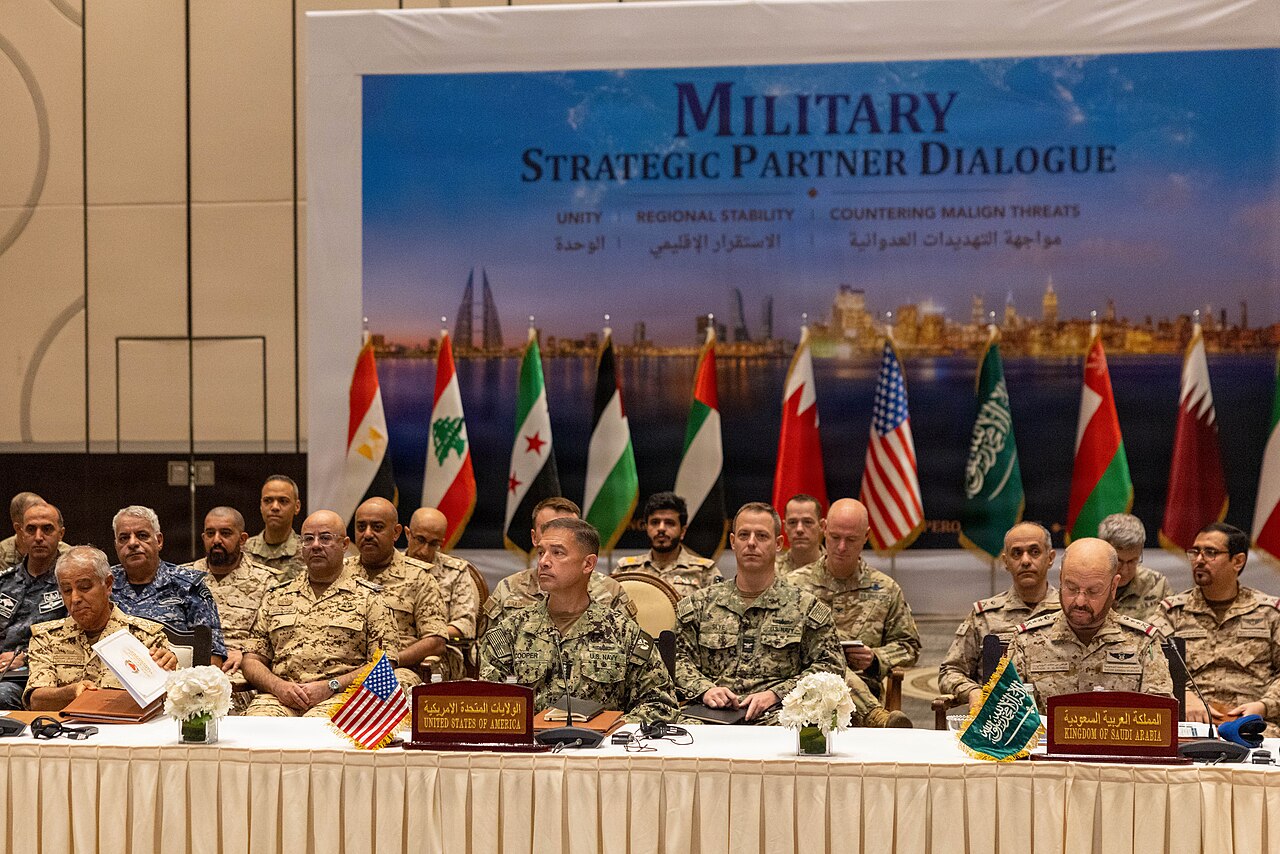
MANAMA / JAKARTAIsrael's military confirmed on Sunday, November 22, 2026, it agreed with US Central Command (CENTCOM) to draft joint plans for possible escalation against Iran, Anadolu Agency reported. The coordination comes as Tehran intensifies Gulf attacks, striking roughly 25 tankers near the Strait of Hormuz since November 14.
What triggered Iran's new wave of attacks in the Gulf?
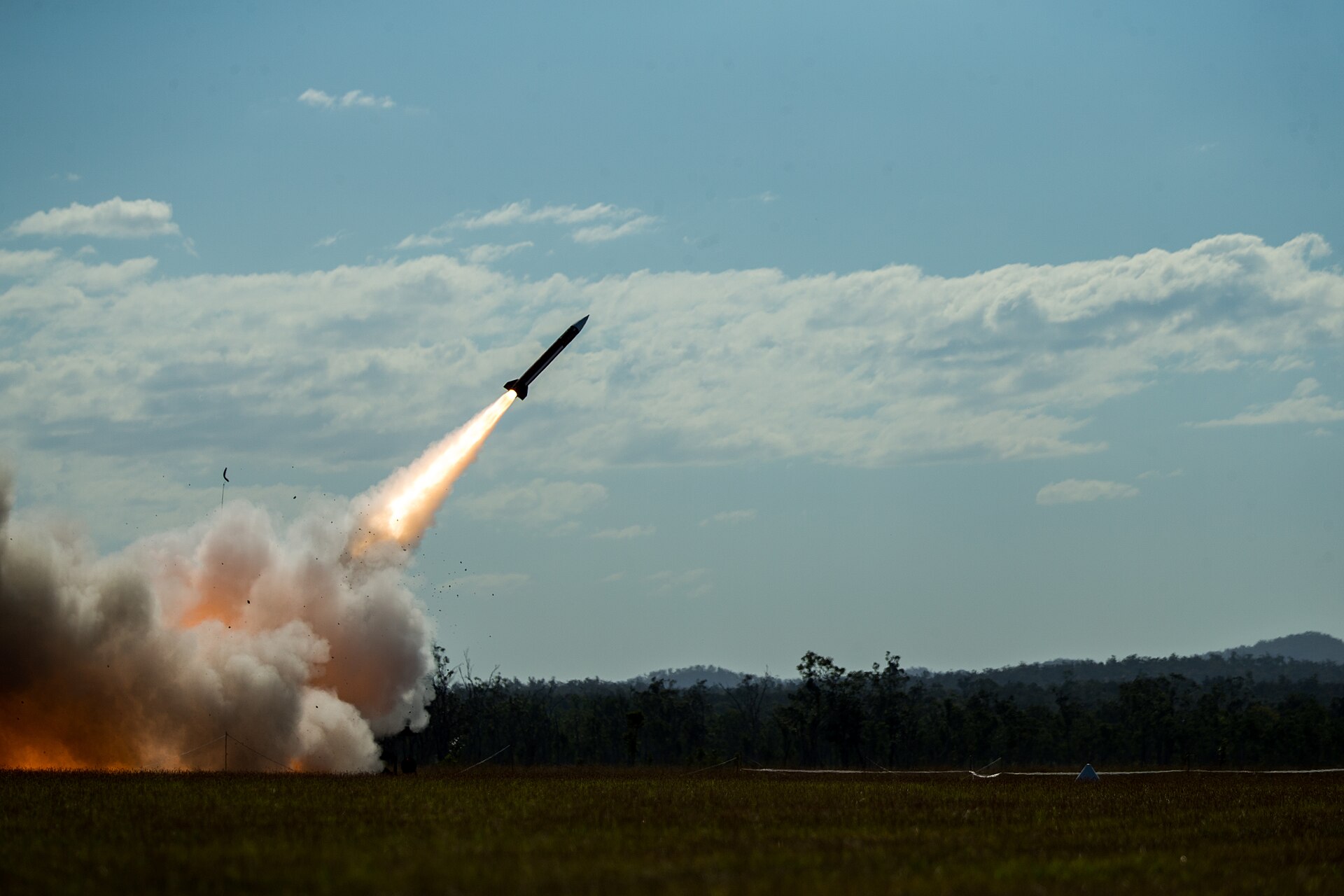
Bahrain has absorbed four attack attempts in roughly a week following a two-month lull. Its interior ministry reported a Saturday strike ignited a fire at a civilian industrial facility without injuries, while Iran's IRGC claimed missile-drone strikes on US Patriot radars at al-Riffa and Awali bases retaliated for a US hit on Hengam Island. Iran also claimed downing its 20th MQ-1 drone since February and hitting an F-16 jet, a claim CENTCOM denied.
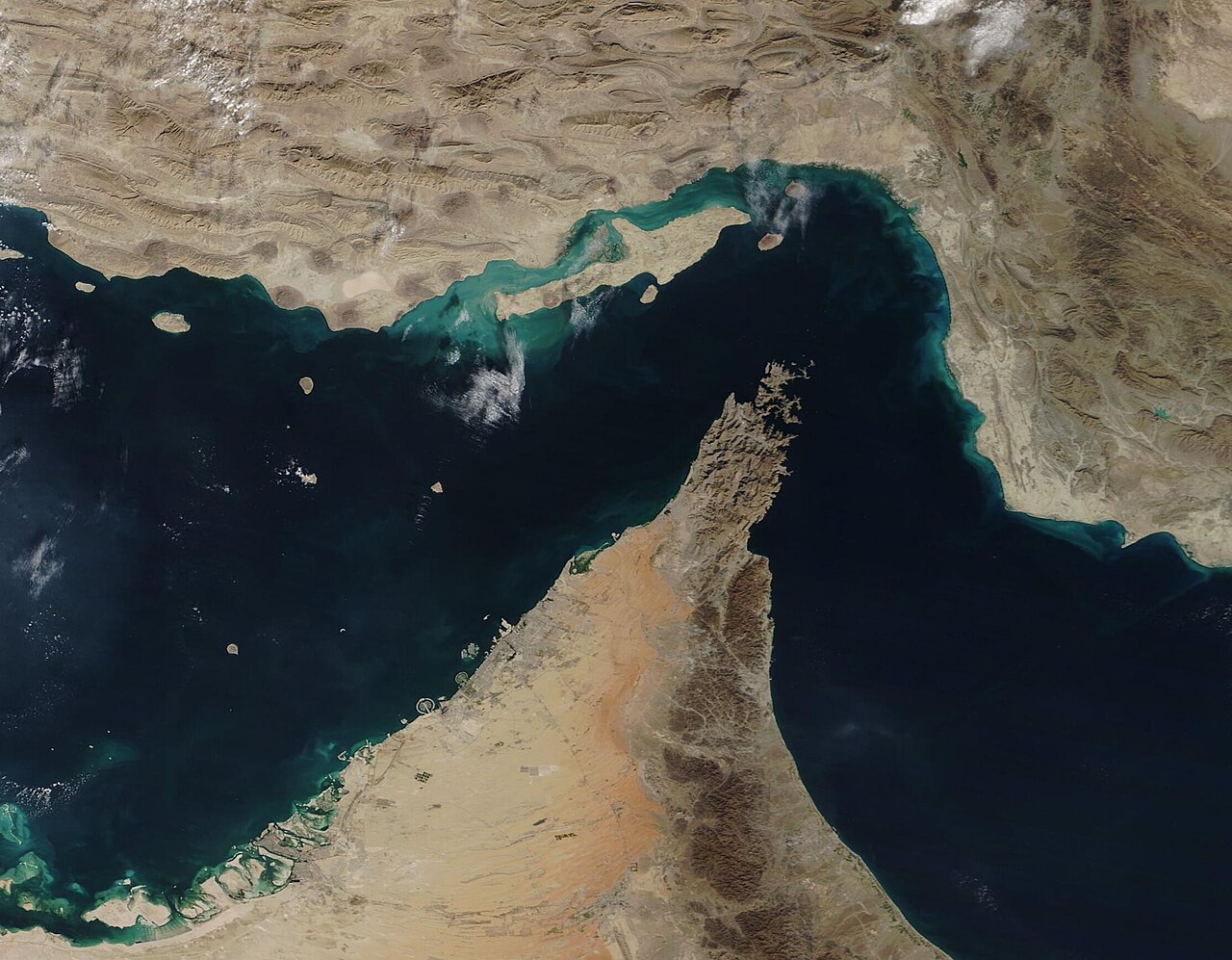
Hormuz hostilities have sharply curtailed transit through the corridor carrying one-fifth of world oil and gas. UKMTO logged 263 vessels from November 12 to 18—down 15 percent week-on-week from pre-war norms of 135 daily transits—including just 37 tankers versus 52 earlier. War-risk insurance jumped from 0.10–0.25 percent to 3.5–7.5 percent, while the IEA tallied cumulative Gulf supply losses at 2.8 billion barrels of oil and 60 billion cubic meters of gas.
Is diplomacy still possible between Washington and Tehran?
Amid what Iranian President Masoud Pezeshkian calls a silent economic war, limited talks continue. Deputy Foreign Minister Kazem Gharibabadi said a Qatari delegation held two-hour talks in Tehran on Saturday evening, while Foreign Minister Abbas Araghchi demanded Washington lift its Hormuz blockade and unfreeze assets. US President Donald Trump said he favors a permanent deal as the State Department urged heightened vigilance for Americans in Bahrain.

Global crude prices briefly cleared 100 dollars a barrel before easing near 83 dollars, over 15 dollars above pre-war levels. The IEA warned sustained disruption could spur electrification and trim long-term oil demand by over 4 percent by 2035.
Why does Hormuz conflict squeeze Indonesia's Rupiah and fuel budget?
Why it matters for Indonesia: Hormuz risks compound fiscal strain as a record-weak Rupiah erodes oil-price relief. Pasardana reported on November 18 that JISDOR hit Rp18,250 and spot closed at Rp18,268 per dollar, while projected November Indonesian Crude (ICP) at US$103.94–US$108.94 far tops the APBN's US$70 assumption. Keeping Pertalite at Rp10,000 (economic cost Rp18,102) and Solar at Rp6,800 (Rp21,457) pushed total subsidies up 32 percent to Rp415.8 trillion through October.