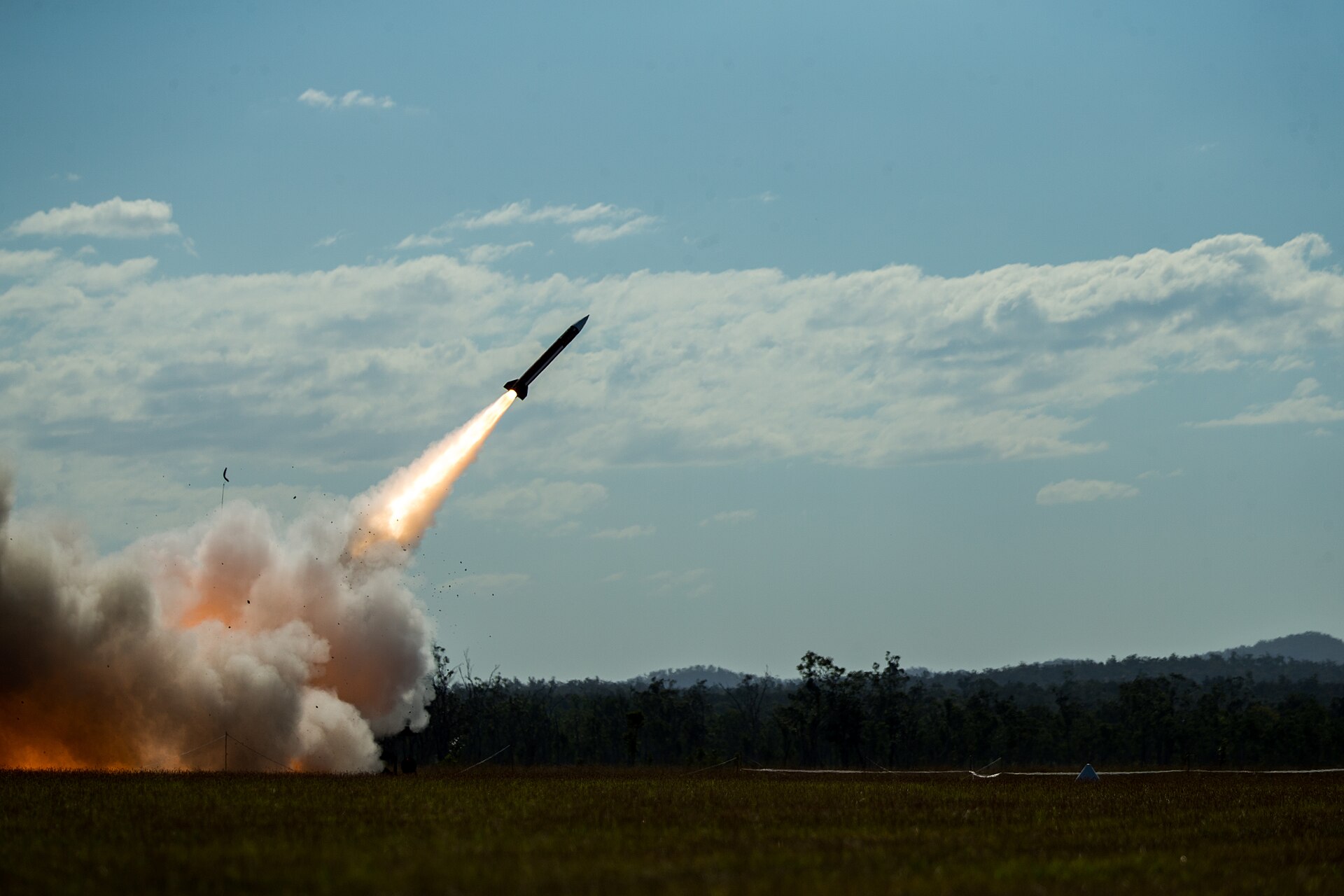
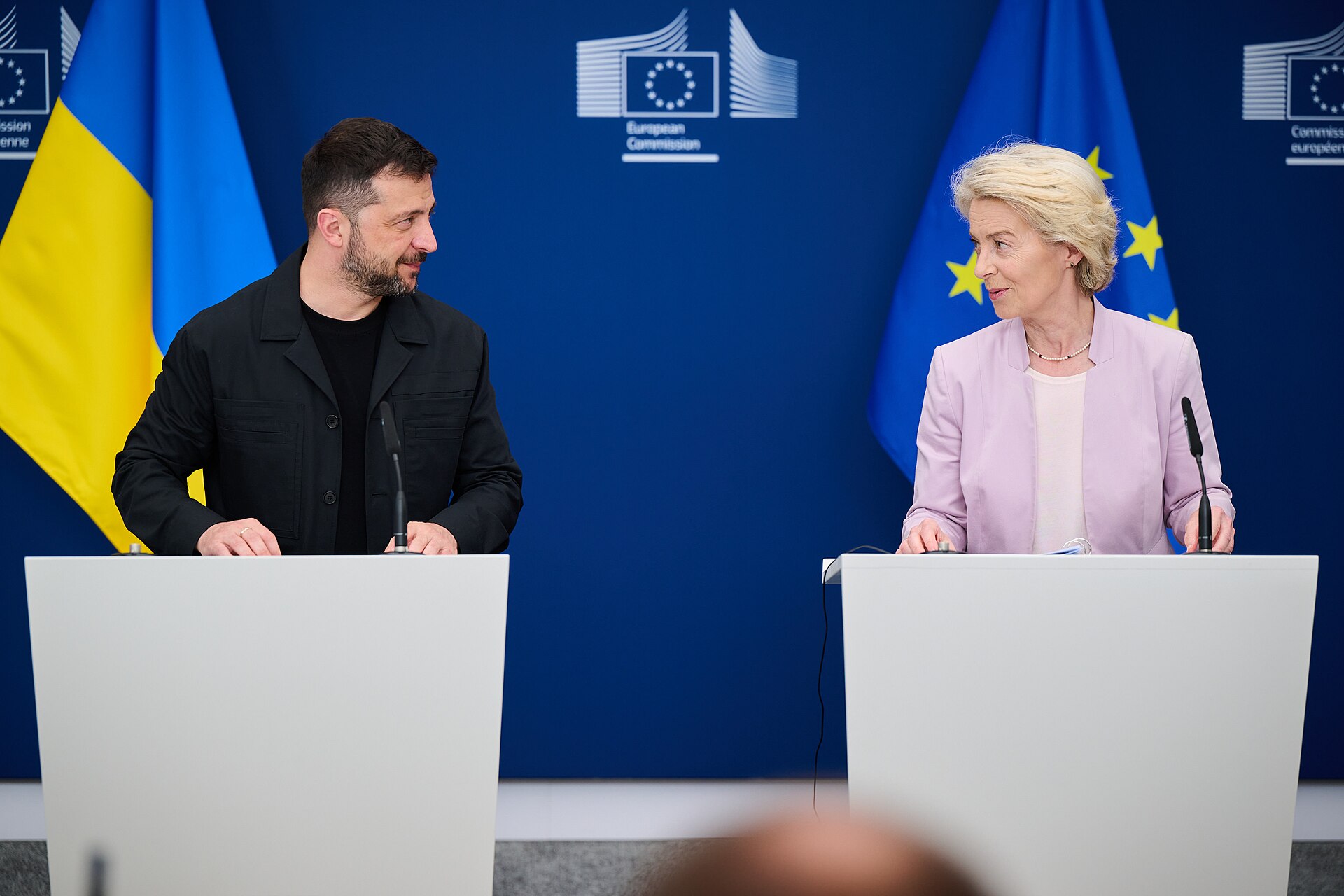
KYIVUkrainian President Volodymyr Zelensky urged the United States to authorize deliveries of Patriot air defense interceptor missiles after a week of Russian strikes hit 20 regions across Ukraine. In a Telegram statement on Sunday, November 22, 2026, Zelensky said Moscow launched around 2,700 attack drones, nearly 1,460 guided glide bombs, and 165 missiles of various types, with the latest strikes killing at least three people near Kyiv and in Zaporizhzhia.
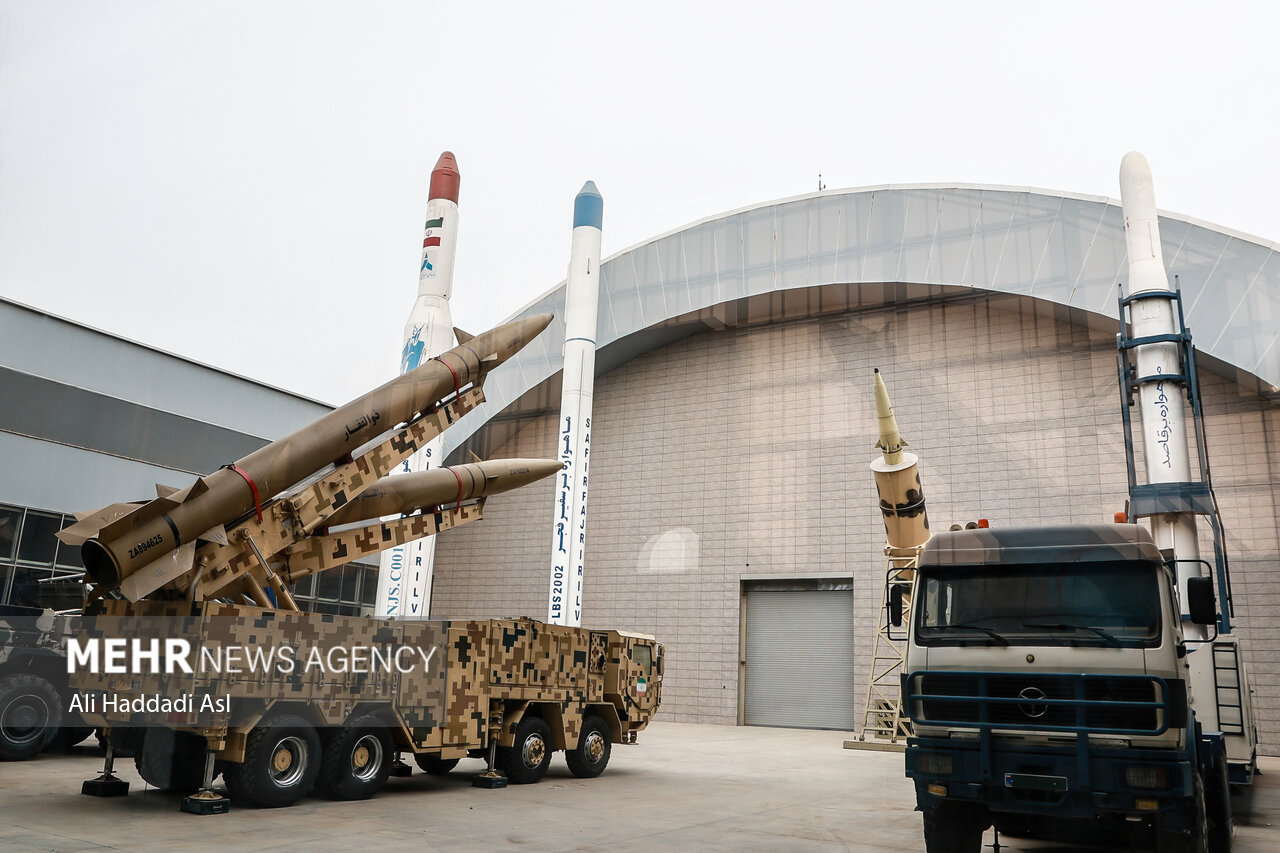
Zelensky noted that a substantial share were ballistic missiles, including North Korean KN-23 and KN-24 weapons that Russia has allegedly continued helping Pyongyang modernize since first deploying them in Kharkiv in January 2024. Early Sunday in Dymer north of Kyiv, a drone strike partially collapsed a five-storey apartment building, where crews evacuated nine residents, recovered two bodies, and searched for 11 missing people including two children, Interfax reported citing Radio Liberty.
Why are NATO-funded Patriot missiles delayed for Ukraine?
Intercept supplies have stalled because transferring US-manufactured Patriot missiles held by third countries requires formal authorization from Washington even after allies fund them. Zelensky said partner nations already paid for the interceptors under NATO's Prioritized Ukraine Requirements List (PURL) mechanism, yet Ukraine averaged just 12 Patriot missiles a month throughout 2026 after delays first emerged in mid-October.
Separately on Sunday, Russia's Defense Ministry said its forces struck a cargo vessel northeast of Ukraine's Black Sea port of Odesa alongside the Pravoberezhna power station in Zaporizhzhia, an oil refinery, electrical substations, and an MKM Telecom data center. Moscow also claimed to have captured Sosnovyi Bir in Kharkiv and destroyed a Neptune coastal missile launcher while freezing weather leaves residents without power, water, or heating after strikes also hit three bridges in Kyiv.

How do Black Sea strikes affect Indonesia's food imports?
Strikes on shipping near Odesa and winter energy warfare sustain global grain freight, insurance, and fuel-cost pressures relevant to major food importers such as Indonesia. Although flour millers association Aptindo told Bloomberg Technoz Indonesia's 9 million to 11 million tonnes of annual wheat imports rely over 40 percent on Australia—with Ukraine accounting for 166,000 tonnes or 1.8 percent in 2022 BPS figures—Black Sea maritime risk and global energy inflation still warrant close import-cost vigilance.
In Zaporizhzhia, regional military official Mykhailo Semikin reported one man killed by shelling and Reform.news noted a child injured when a guided bomb struck homes. Earlier, UNICEF figures showed 1,144 Ukrainian children killed or wounded from January through October 2026, underscoring Zelensky's warning that steady PURL contributions and US export approvals remain critical to Kyiv's winter air defense.