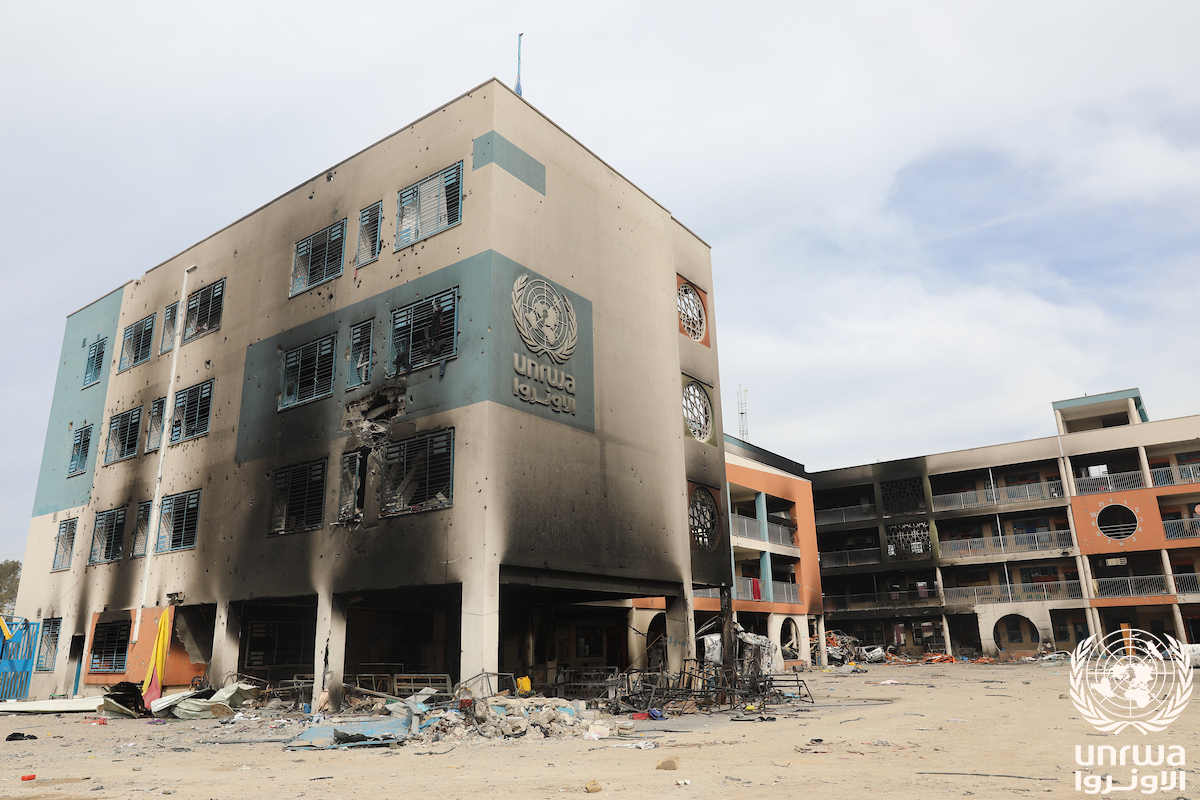
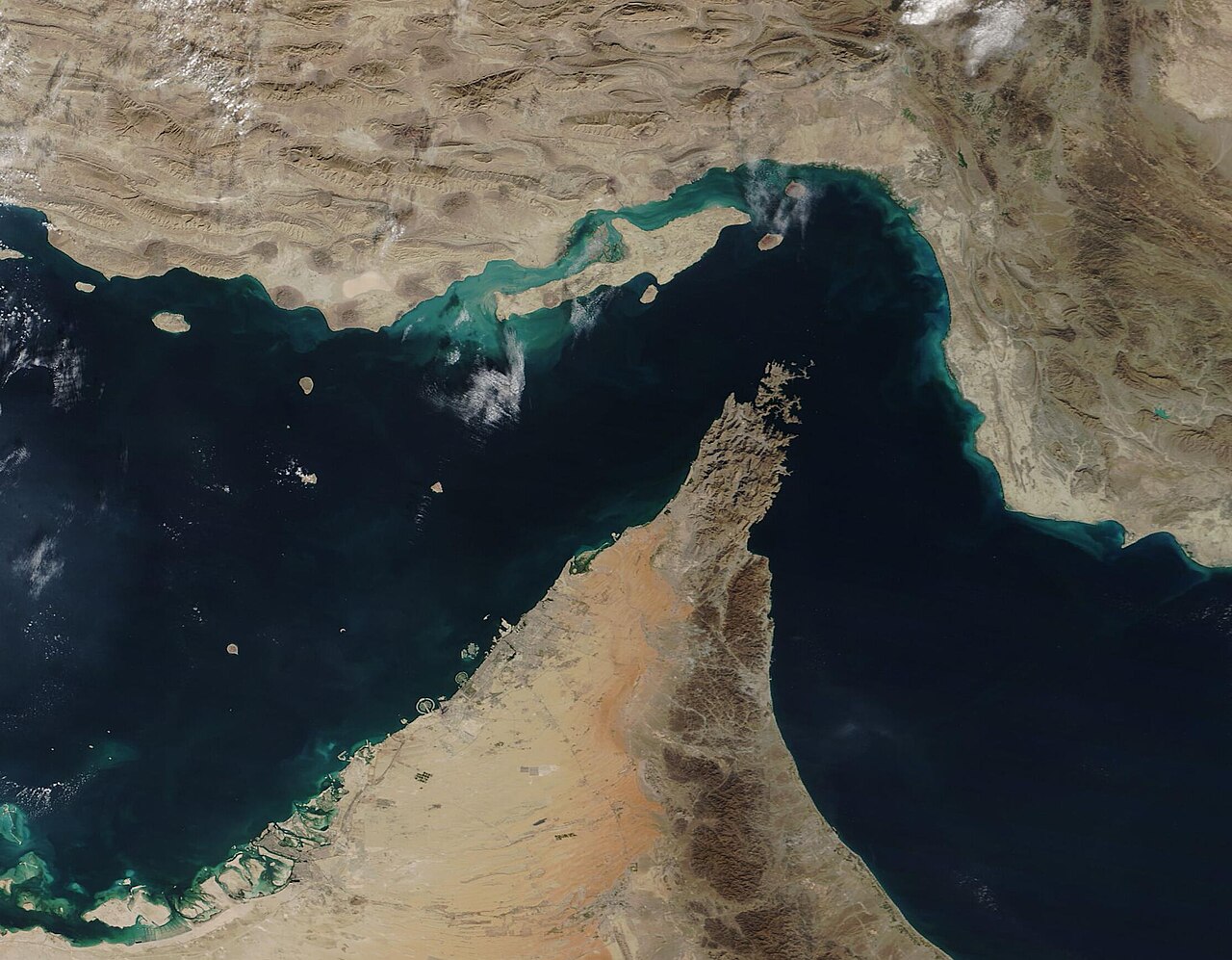
GAZA CITYIsraeli air strikes across the Gaza Strip killed at least seven Palestinians on Tuesday (Nov 24, 2026), including Hamas internal security chief Naeem Abu Nahel, who took office only in September. The escalation unfolded alongside rising US-Iran friction that has cut tanker traffic through the Strait of Hormuz by 40 percent.
How was Hamas security chief Abu Nahel killed?
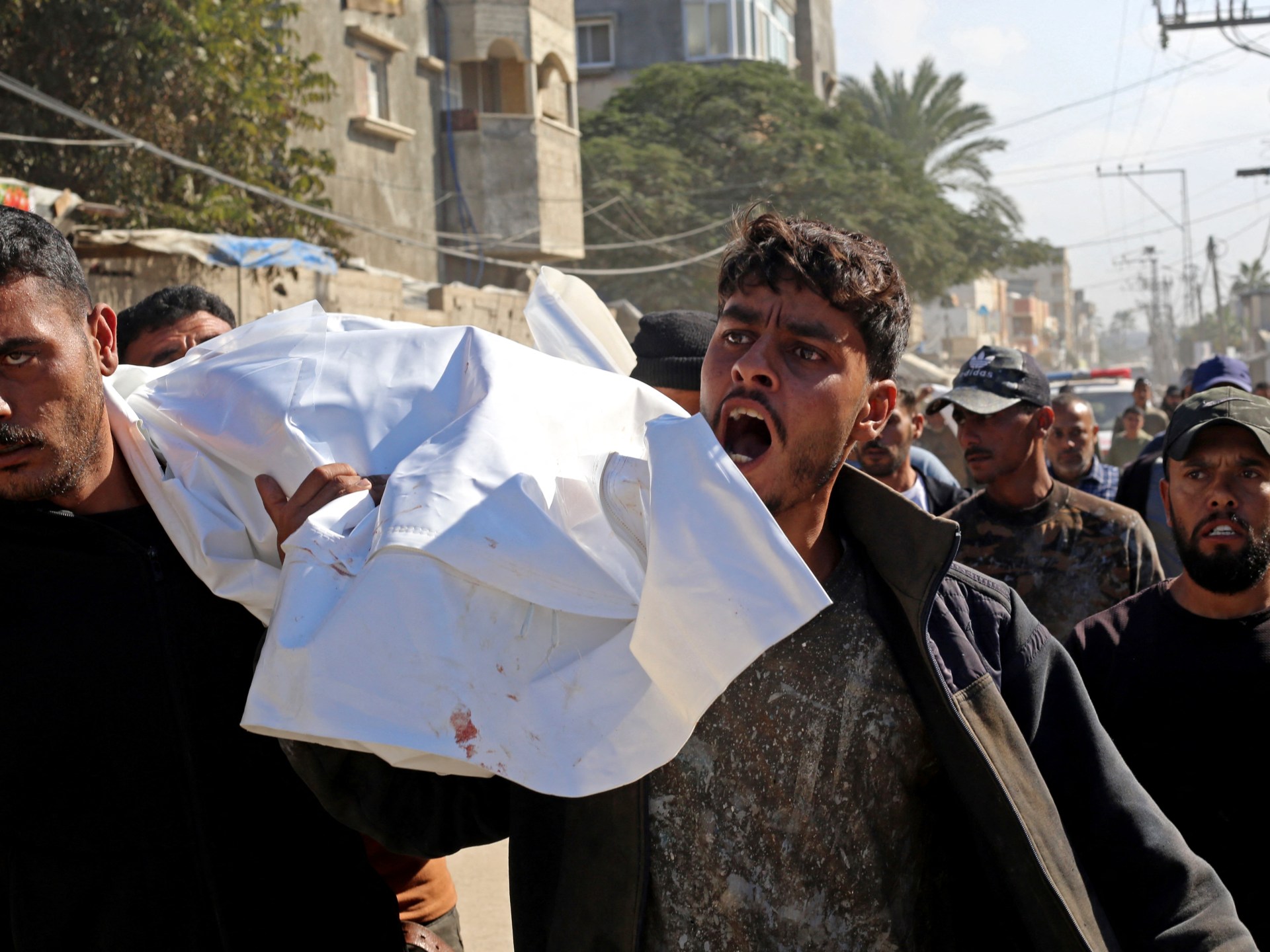
Witnesses said an Israeli drone struck the 50-year-old Abu Nahel while he walked along a side street near a displacement tent camp in western Gaza City. Four bystanders, including a Palestinian woman, were wounded and taken to al-Shifa Medical Complex.
Israeli Prime Minister Benjamin Netanyahu and Defense Minister Israel Katz announced Abu Nahel had been eliminated, while the Israeli military and Shin Bet said he replaced Moein al-Arbeid after his September capture. Six other Palestinians died in earlier strikes in Wadi Gaza and at a police station in al-Mawasi west of Khan Younis.
Gaza's Interior Ministry condemned the strike as an effort to sow chaos, noting near-daily attacks despite a US-brokered ceasefire signed in October last year. Gaza health authorities count at least 1,679 to 1,680 people killed and 6,100 injured over the past 13 months, alongside 272 meningitis cases in October—eight times the normal average—after heavy rains flooded displaced shelters.
Why did Strait of Hormuz oil traffic drop 40 percent?
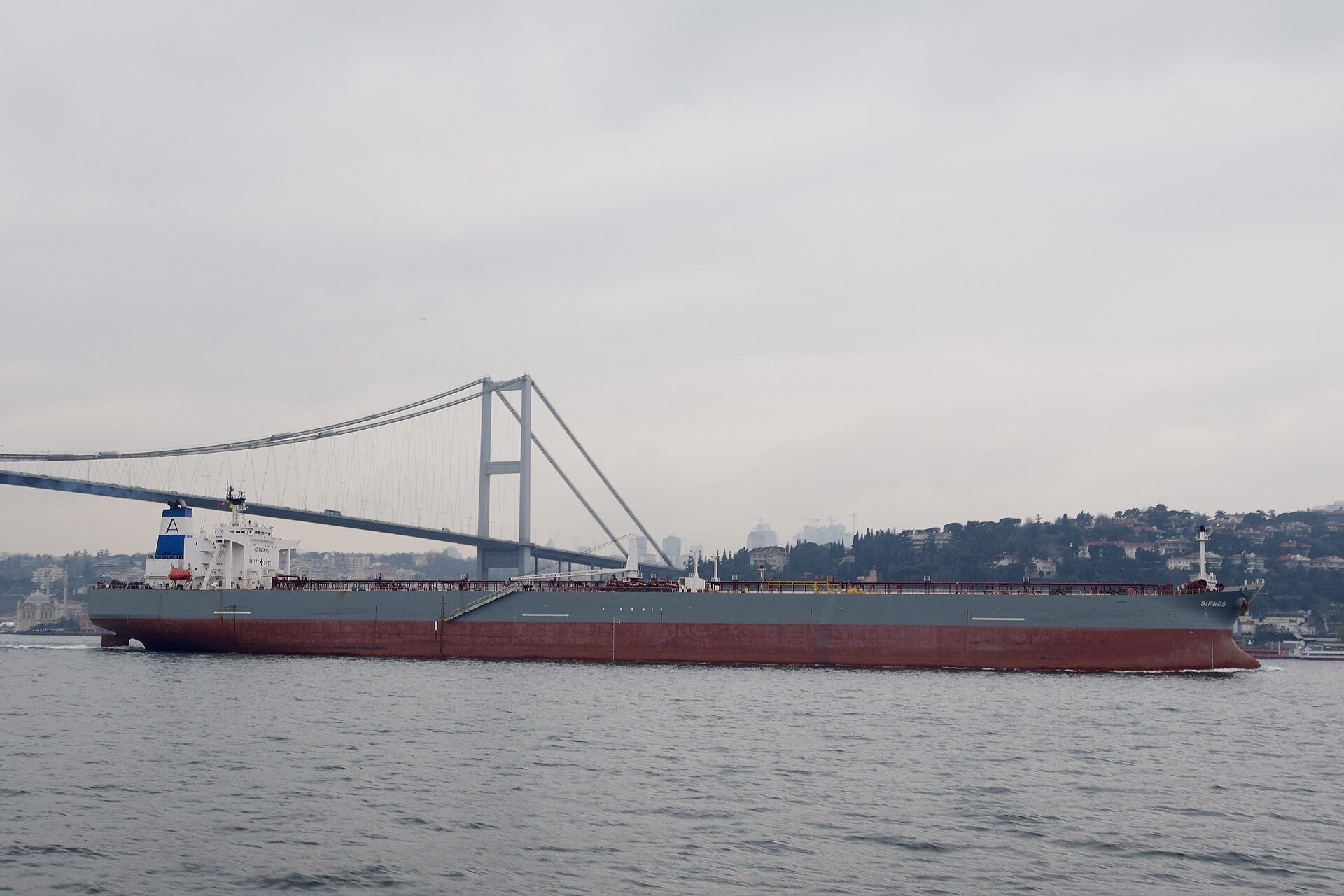
At sea, Iranian Foreign Ministry spokesperson Esmaeil Baghaei warned Tehran will use all available means to confront the US naval blockade. On Tuesday morning, Iran's navy said two tankers struck mines and caught fire east of the Strait of Hormuz after disabling transponders, bringing total tanker hits to more than 25 in the past week.

AIS ship-tracking data showed 28 ships carrying an estimated 4.18 million barrels crossed the strait over the past 24 hours, marking a 40 percent slump in monitored oil traffic even accounting for dark transits. Brent crude futures traded at $88.35 per barrel, retreating from an earlier spike above $120 per barrel.
Impact on Indonesia's rupiah and fuel prices
For Indonesia, sustained Hormuz disruption directly tests energy import costs and currency stability as the rupiah closed at Rp18,203 per US dollar on Tuesday. Although Pertamina and private retailers have kept pump prices unchanged—with Pertamax at Rp15,950, subsidized Pertalite at Rp10,000, and subsidized diesel at Rp6,800 per liter—Brent near $88 per barrel remains well above comfortable fiscal buffers.