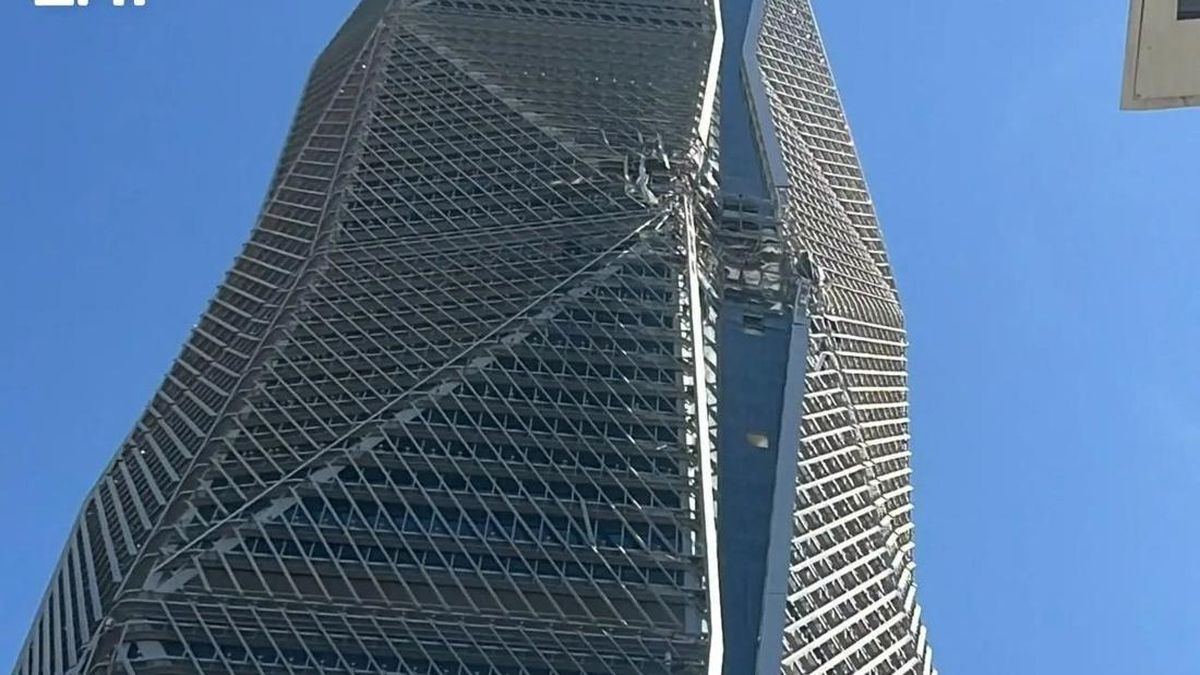
RIYADHAn unspecified projectile struck Riyadh's King Abdullah Financial District (KAFD) in Saudi Arabia on Tuesday (Nov 24, 2026), injuring 11 people in the second strike on the capital's business hub in under a week. Saudi Civil Defence officials said the injured comprise two Saudi citizens, two Indian nationals, three Nepali nationals, and four Egyptian nationals.
Which building was targeted in Riyadh?
Three separate witnesses told AFP that Tuesday's strike targeted the 385-meter Public Investment Fund (PIF) skyscraper, the kingdom's tallest tower and sovereign wealth headquarters. A fourth witness reported a vehicle equipped with loudspeakers warning pedestrians nearby to take cover, even though residents received no advance mobile alert.
A spokesperson for the Saudi-led coalition condemned the Tuesday incident as a cowardly terrorist attack and said authorities had launched an on-site investigation. Last week's earlier strike damaged outer sections and several floors of the PIF tower along with two neighboring buildings, though it caused no casualties.
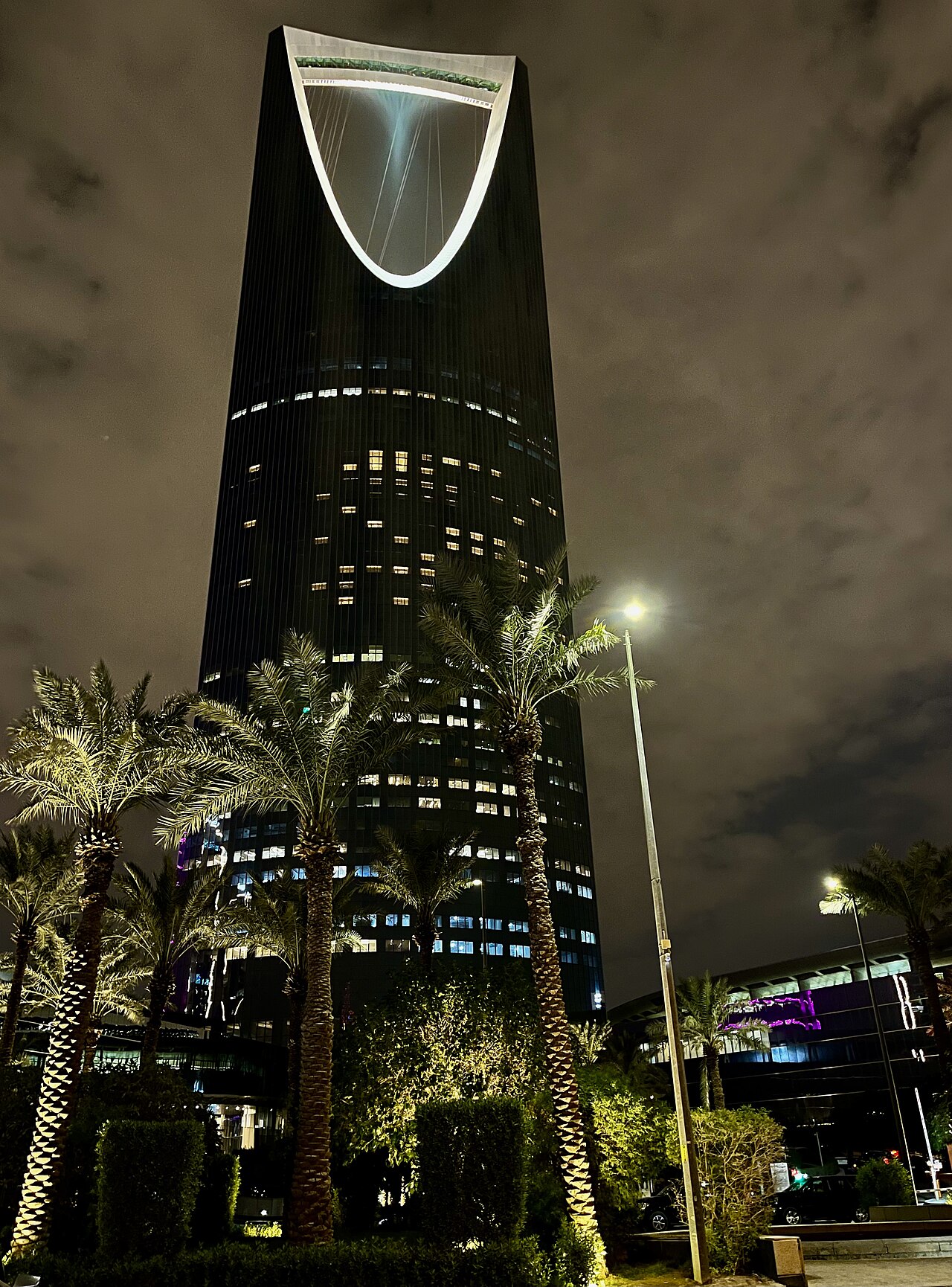
While Saudi authorities have not publicly named the perpetrator of Tuesday's strike, Iran-backed Houthi forces in Yemen claimed responsibility for last week's attack on Riyadh. In October, a deadly Houthi strike on King Khalid International Airport killed 14 people, wounded hundreds, and forced flight suspensions for two weeks.
Escalating fighting across Yemen and the Red Sea
The strike comes amid widening violence in Yemen after a truce collapsed in July 2026 amid the broader US-Iran confrontation. Local officials told AFP that air strikes in Lahj province on Monday killed 26 people—14 civilians and 12 Houthi fighters—while a separate attack in Hodeida killed 17, adding to UN figures showing over 1,600 deaths and 300,000 displaced since July.

What does the strike mean for Indonesia?
For Indonesia, renewed strikes near Riyadh's commercial core heighten operational risks for Indonesian migrant workers and umrah travel corridors through Saudi Arabia. Although no Indonesian citizens were among Tuesday's 11 injured, October's two-week Riyadh airport shutdown underscores how quickly aviation schedules and consular contingencies can be disrupted.
Economically, Houthi threats against Saudi energy and export infrastructure add upside risk to global oil shipping costs as the rupiah trades under pressure at Rp18,203 per US dollar on Tuesday. Indonesian authorities have so far held subsidized Pertalite at Rp10,000 per liter and subsidized diesel at Rp6,800 per liter, making sustained Gulf stability vital to containing fiscal subsidy pressures.