JakartaJAKARTA — The Organisation for Economic Co-operation and Development (OECD) projects Indonesia's budget deficit will widen to 2.9% of gross domestic product (GDP) in 2026, slightly above the 2.86% budget target and the government's 2.85% outlook. The figure appears in OECD Economic Surveys: Indonesia 2026, cited by CNBC Indonesia on Thursday (26/11/2026).
What is driving the wider deficit, according to the OECD?
The OECD said higher oil prices are expected to add 0.6% of GDP to the deficit versus the budget target. The driver is fuel subsidy spending, which rises because the government decided to hold prices until December 2026. The report also notes the government's 2.7% target, pursued mainly through lower transfers to regions and efficiency cuts to central spending.
The government has committed to keeping the deficit below the legal 3%-of-GDP ceiling. The OECD said offsetting measures worth 0.4% of GDP are needed to protect that target, including further spending limits and a windfall tax on commodity exports. For 2027, the OECD expects a 2.6% deficit because oil prices are projected to stay high.
What does the OECD recommend on energy subsidies?
The OECD judged fuel, electricity and LPG subsidies effective at protecting purchasing power in the short term, but costly and largely enjoyed by higher-income households. As an alternative, it suggested temporary support aimed at low-income households and workers who depend directly on energy, such as public-transport operators and fishers.
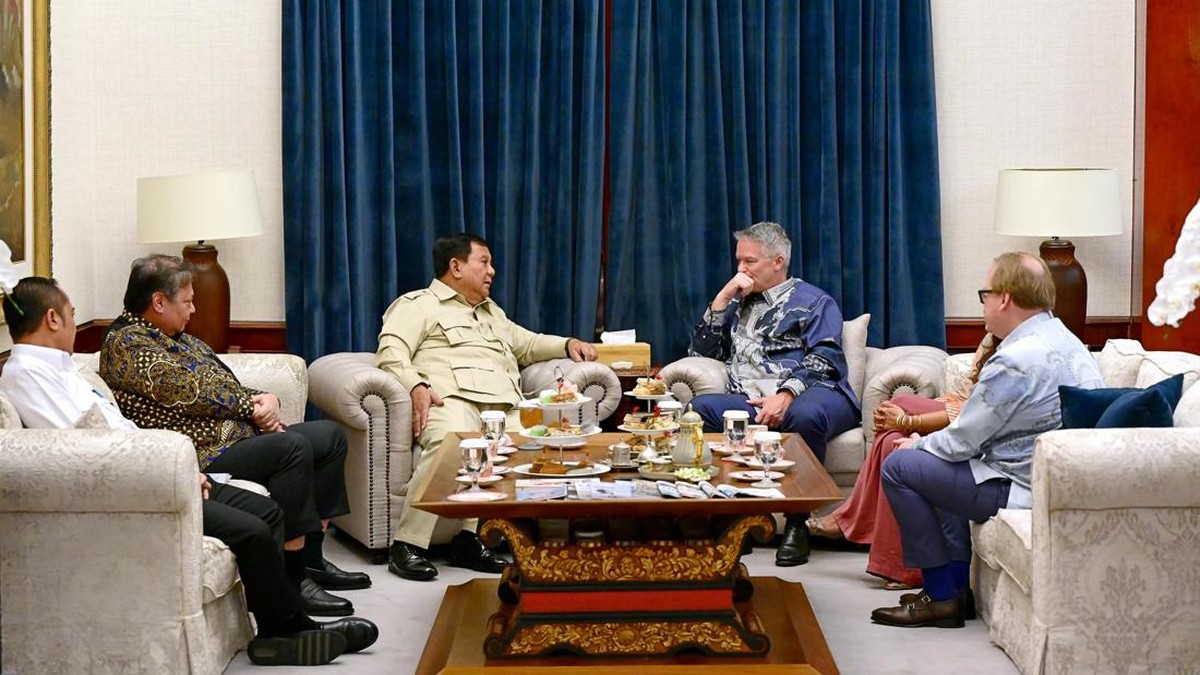
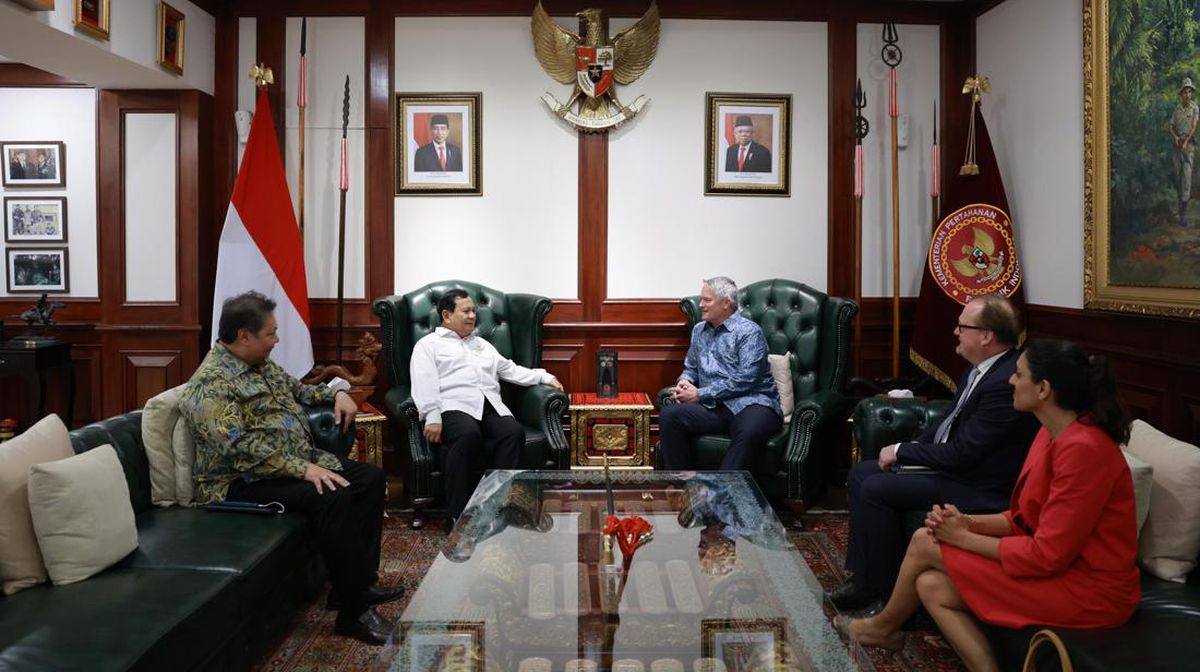
On the same day, President Prabowo Subianto received OECD Secretary-General Mathias Cormann at his Kertanegara residence in Jakarta. CNN Indonesia and CNBC Indonesia reported they discussed Indonesia's accession, now at the technical-review stage across 25 areas. The process formally began in February 2024, and the government targets full membership in 2028.

What does it mean for Indonesians?
Why it matters to Indonesians: holding fuel prices until December 2026 shields household budgets, but the OECD calculates the cost to the state budget. The government must also finish rules criminalising bribery of foreign officials and revise the Competition and Statistics laws, targeted for 2027, if the 2028 OECD membership goal is to be met.