JAKARTAThe Indonesian rupiah closed 67 points, or 0.37 percent, stronger at Rp18,203 per US dollar on Monday, November 23, 2026, rebounding from Rp18,270 at the prior close as markets welcomed a pause in immediate US military action against Iran. Bank Indonesia's Jakarta Interbank Spot Dollar Rate (JISDOR) benchmark also strengthened to Rp18,223 per dollar from Rp18,278, easing near-term currency pressure in Jakarta.
Why did Donald Trump pause Iran strikes despite Israeli pressure?
US President Donald Trump held off on launching fresh strikes after the American midterm elections to allow economic sanctions and diplomatic talks more room to work. Currency analyst Ibrahim Assuabi, director at PT Traze Andalan Futures, noted that investors responded positively to the pause even though Trump warned over the weekend that he could still strike Iran after the New Year if negotiations fail to produce an agreement.
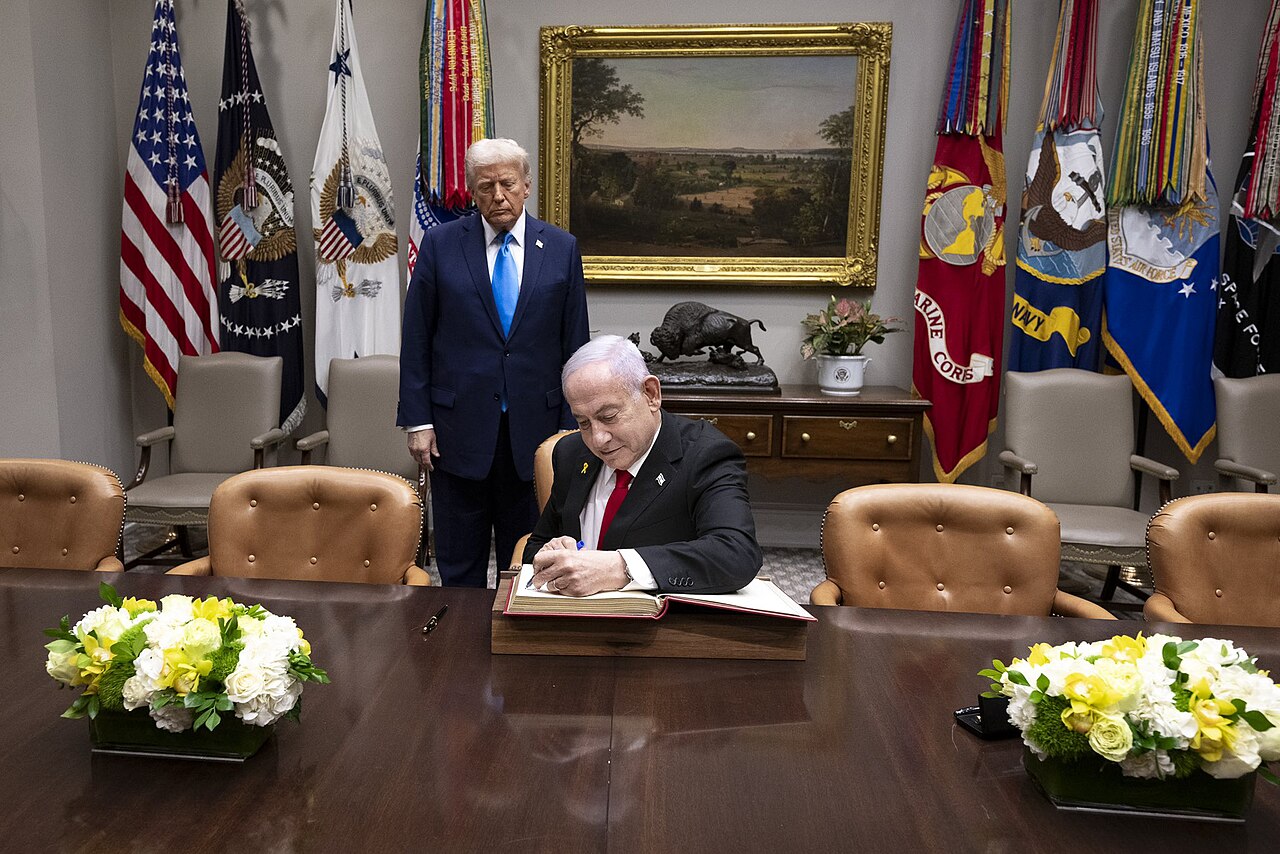
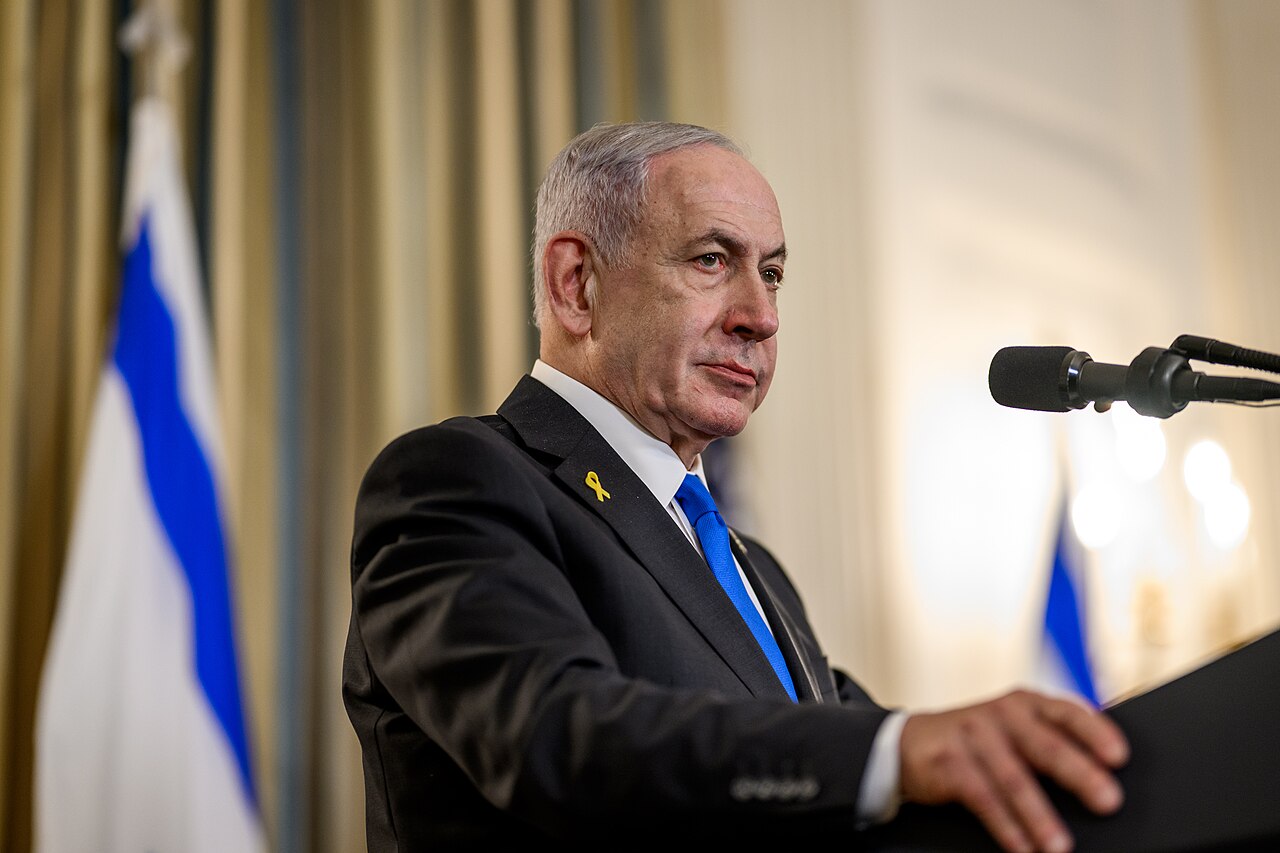
In sharp contrast, Israeli public broadcaster KAN reported on Sunday that Prime Minister Benjamin Netanyahu pressed Trump to attack Iran again as soon as possible amid deadlock over forming a new Israeli cabinet. KAN, cited by Al Jazeera, reported that Trump rejected the appeal as White House voices argued for letting sanctions deepen economic strain inside Iran before considering renewed military action.
Why did Israeli intelligence warn against a unilateral Iran strike?
Israeli Defense Forces intelligence and US defense officials warned Netanyahu that a unilateral strike on Iran could trigger a multi-front war by drawing Syria, Lebanon, and the Gaza Strip into simultaneous fighting. In a closed-door briefing last week cited by Channel 12, military intelligence assessed that the fallout would run counter to Netanyahu's push for a quick operation.
Political friction in Israel intensified amid reports that Netanyahu and Mossad chief Roman Goffman drafted a three-to-five-day strike plan without military involvement, drawing fire from opposition figure Avigdor Liberman as politically driven. With no bloc reaching a 61-seat Knesset majority—leaving Netanyahu's camp at 53 seats, the opposition at 48, and Arab parties at 19—mandated opposition leader Gadi Eisenkot faces tough coalition talks while Netanyahu pushes a rotating-premiership unity cabinet.

What does the Iran pause mean for the rupiah and Indonesian markets?
For Indonesian businesses, importers, and households, the rupiah's bounce to Rp18,203 per dollar temporarily cushions foreign-exchange costs tied to imported fuel, industrial inputs, and dollar obligations exposed to Middle East risk after February's heavy US-Israeli strikes on Iran. Still, traders remain watchful ahead of this week's US PCE inflation release—after Treasury Secretary Scott Bessent warned the Federal Reserve against over-tightening amid AI-linked tech stock losses—and Trump's post-New Year negotiation deadline.