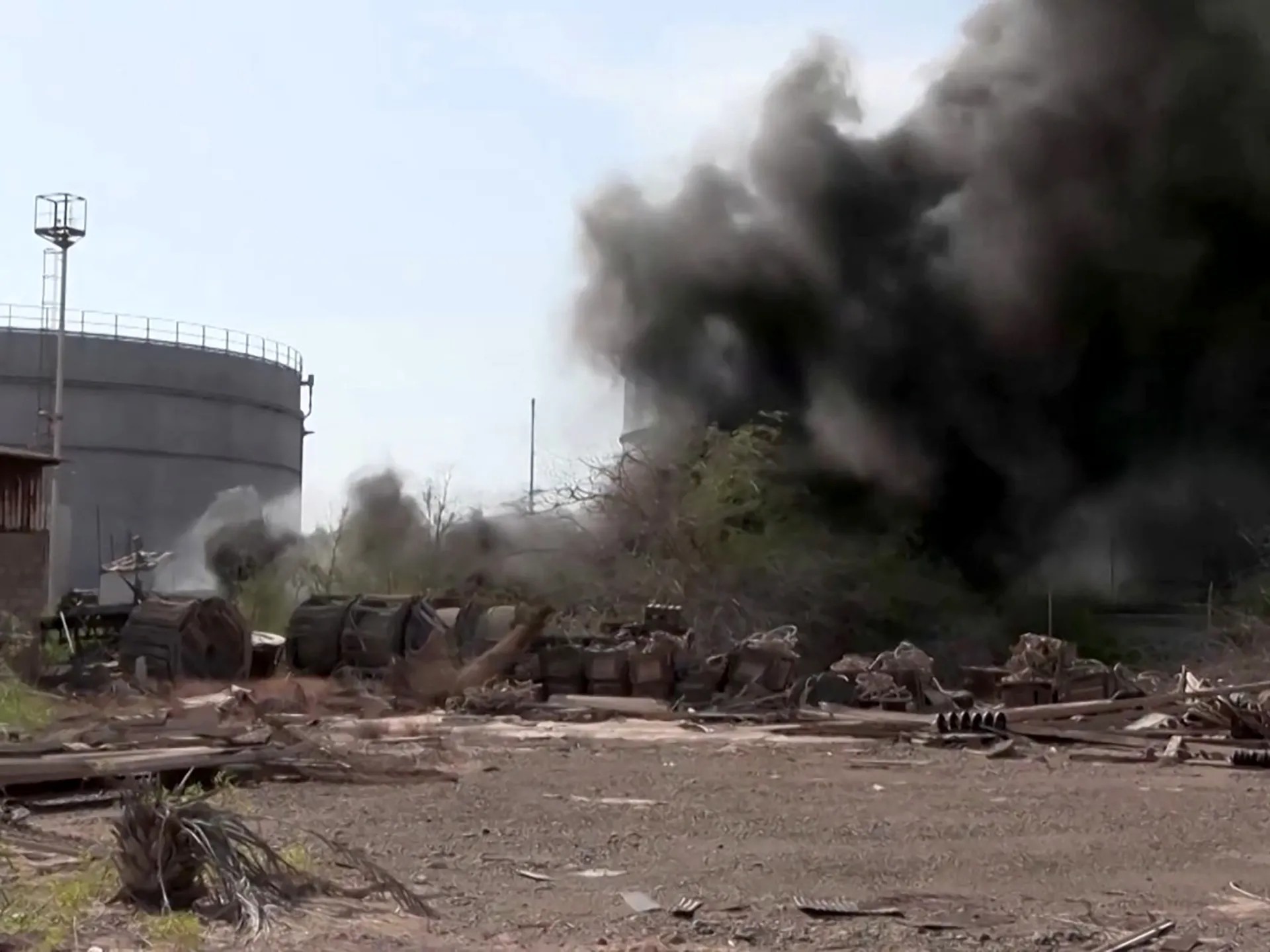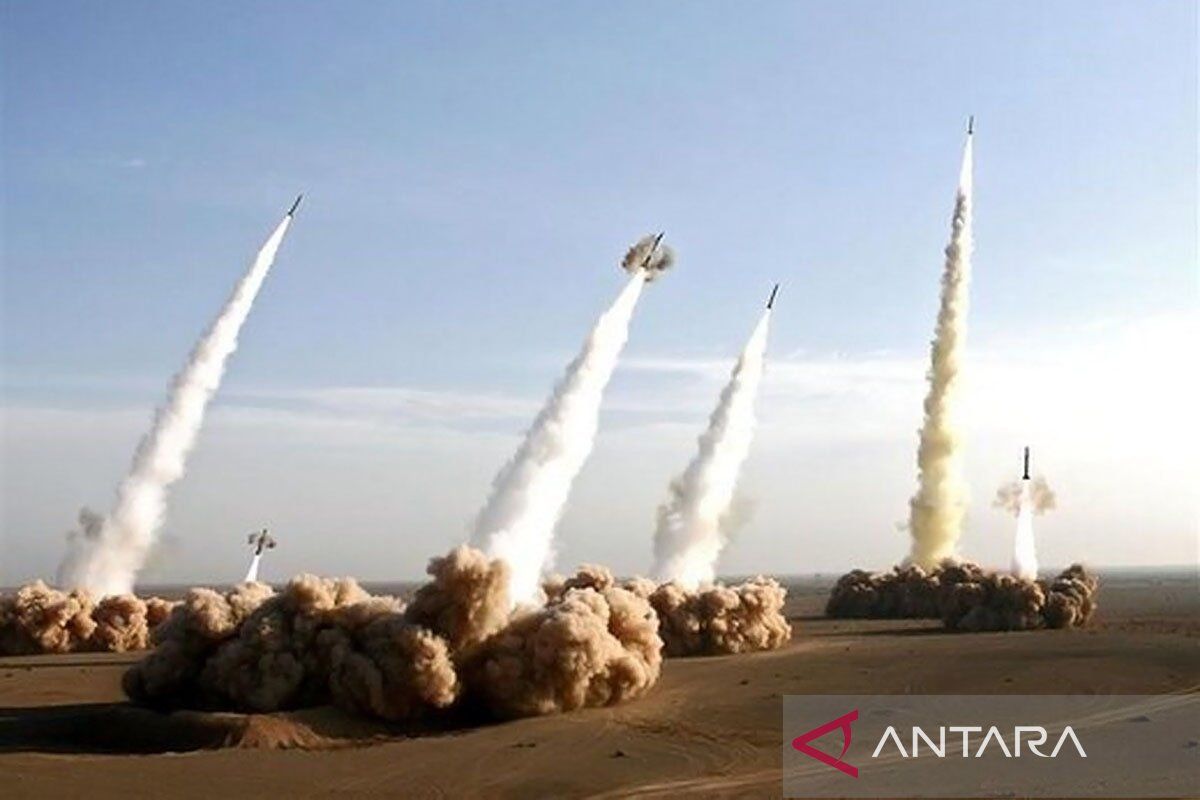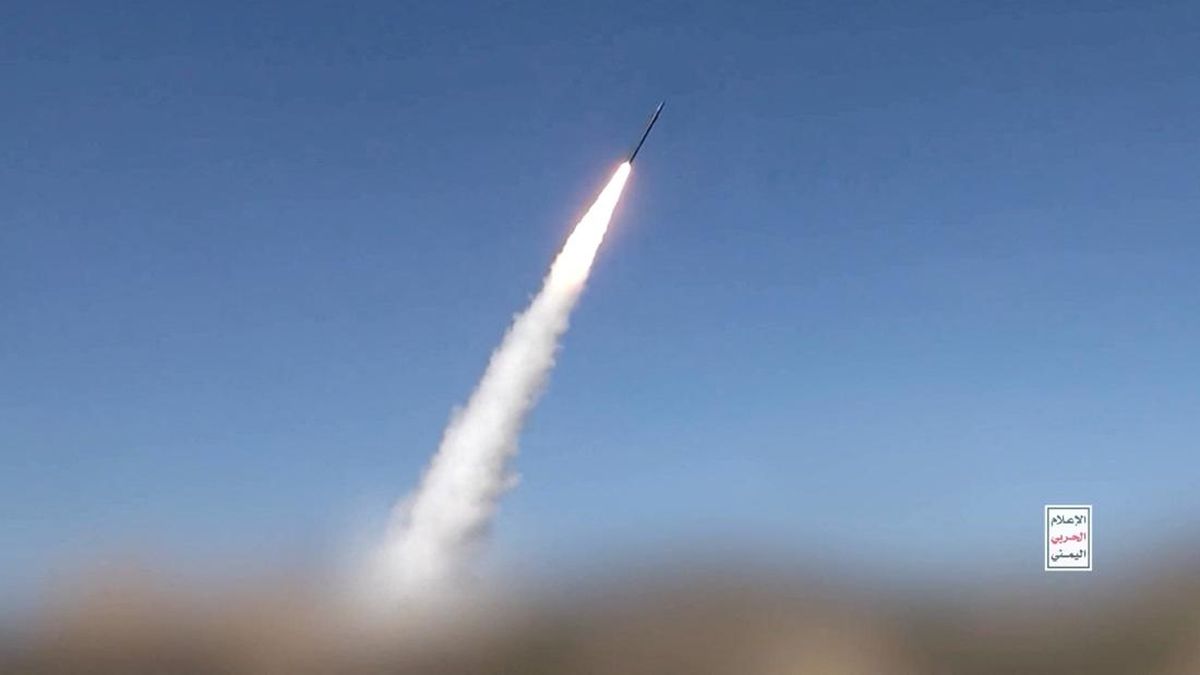
KYIVRussian forces launched 155 strike and decoy drones across Ukraine overnight into Friday (Nov. 27, 2026), killing six civilians and injuring 25 others, Ukrainian authorities reported. Ukraine's Air Force said the barrage included 83 jet-powered Shahed-type drones alongside Gerbera and Parodiya decoys fired from multiple Russian launch sites as well as occupied Crimea and Donetsk.
How many Russian drones did Ukrainian air defenses intercept?
Air defense and electronic warfare units downed or jammed 110 drones by 8:00 a.m. local time, including 51 jet-powered models. Still, impacts struck 27 locations and debris fell at four sites, damaging power substations across six oblasts and railway infrastructure in the Vinnytsia region.
First Deputy Energy Minister Artem Nekrasov said Dnipropetrovsk and Kherson oblasts suffered the steepest electricity blackouts following persistent shelling. In Kharkiv Oblast, strikes damaged an educational facility, killed an 86-year-old woman, and injured seven people, while additional fatalities were confirmed in Zaporizhzhia, Donetsk, and Odesa.
How is winter weather compounding Ukraine's grid blackouts?
The overnight blitz deepens Ukraine's hardship as sub-zero winter temperatures grip Kyiv and residents endure frequent cuts to electricity, heating, and water. Earlier AIGOS News reporting highlighted President Volodymyr Zelenskyy's warnings of renewed mass Russian strikes following tit-for-tat attacks on Crimea's Kerch bridge and Kyiv's Dnipro River crossings.
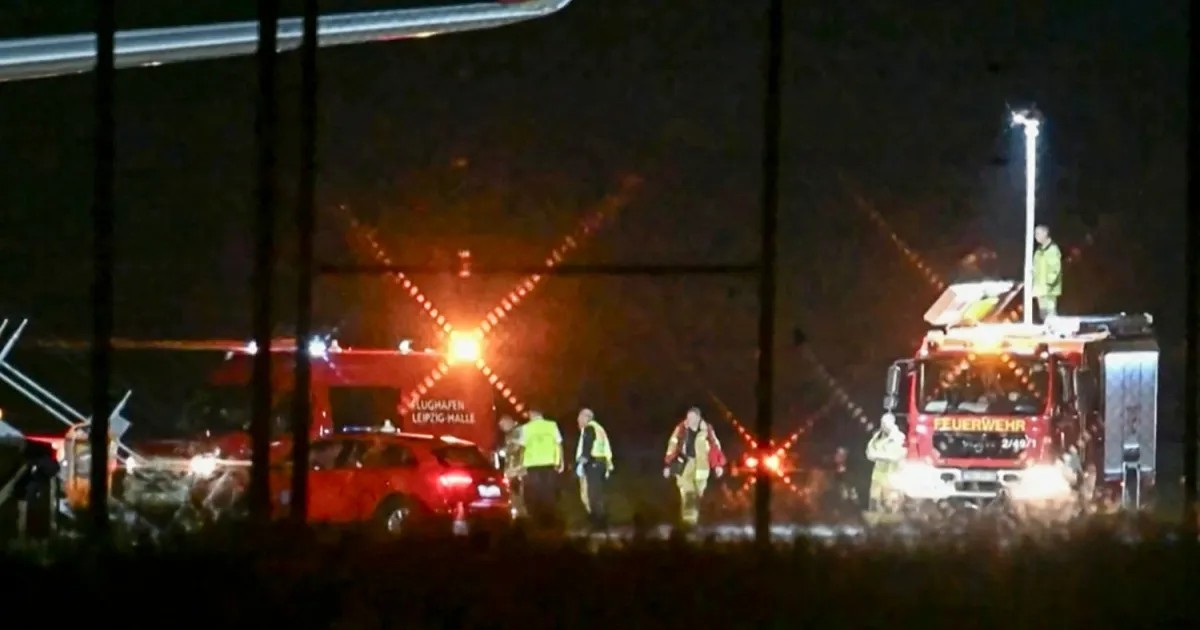
Beyond Ukraine's borders, a new report from the International Institute for Strategic Studies (IISS) found that suspected Russian hybrid sabotage attacks against European critical infrastructure rose 16 percent in the year through September 2026. Incidents involving arson and explosives roughly doubled—ranging from a drone strike at a German airport to attacks on defense and energy sites—though Moscow denies Western accusations.

Why does the Ukraine energy crisis still affect Indonesia?
IISS noted that military-industrial and transport hubs accounted for over half of recorded sabotage cases, driving up European security costs without weakening military aid for Kyiv. On the ground, BBC correspondents in Kyiv reported civilians increasingly rely on mobile drone-tracking gadgets and metro or hotel shelters during overnight ballistic alerts.
For Indonesia, protracted warfare in Ukraine sustains external supply risks across grain, fertilizer, and energy markets. Domestic flour and food producers remain exposed to Black Sea wheat shipping volatility and elevated global fertilizer prices, while heightened geopolitical tension keeps Brent crude near $96 per barrel and adds pressure on Indonesia's Rupiah around Rp18,330 per US dollar.