ISLAMABADSaudi-led coalition airstrikes hit a residential building in al-Turbah, Taiz governorate, Yemen, killing at least 11 civilians on Friday (Nov. 27, 2026). Houthi-affiliated news agency Saba reported that most of the victims were children, with rescue workers recovering eight bodies while three people remained missing under the rubble.
Why did Saudi airstrikes target Taiz and Saada?
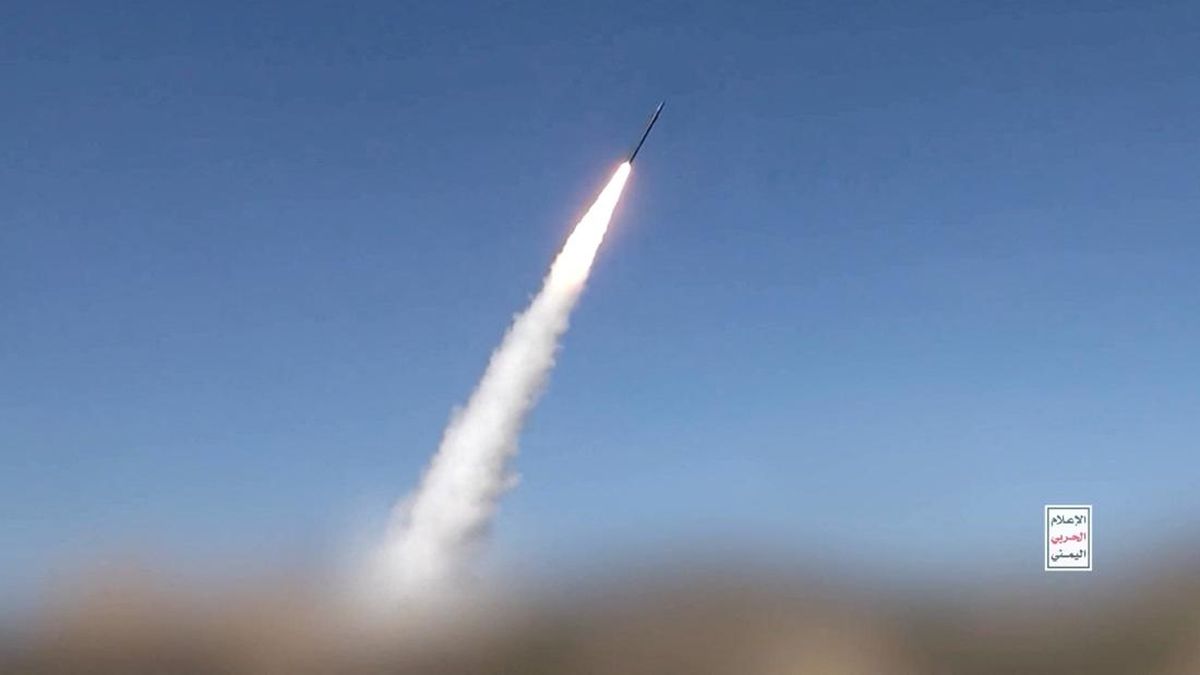
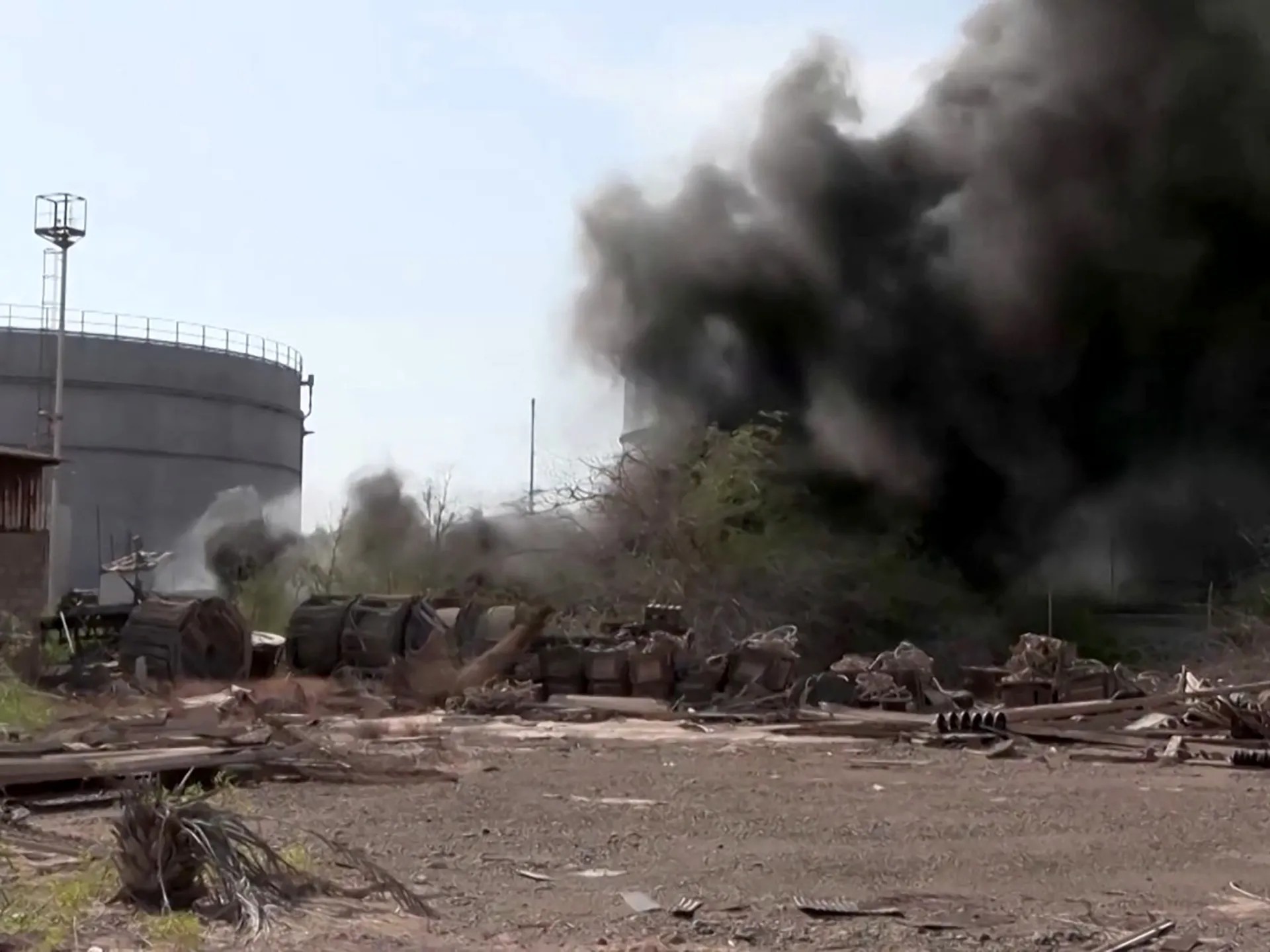
The bombardment came one day after Yemen's Iran-backed Houthi forces struck the Jazan oil refinery in southern Saudi Arabia. According to the Saudi Press Agency (SPA), the strike killed a Nepalese worker, injured several others, and sparked a fire that forced operations at the refinery to be halted.
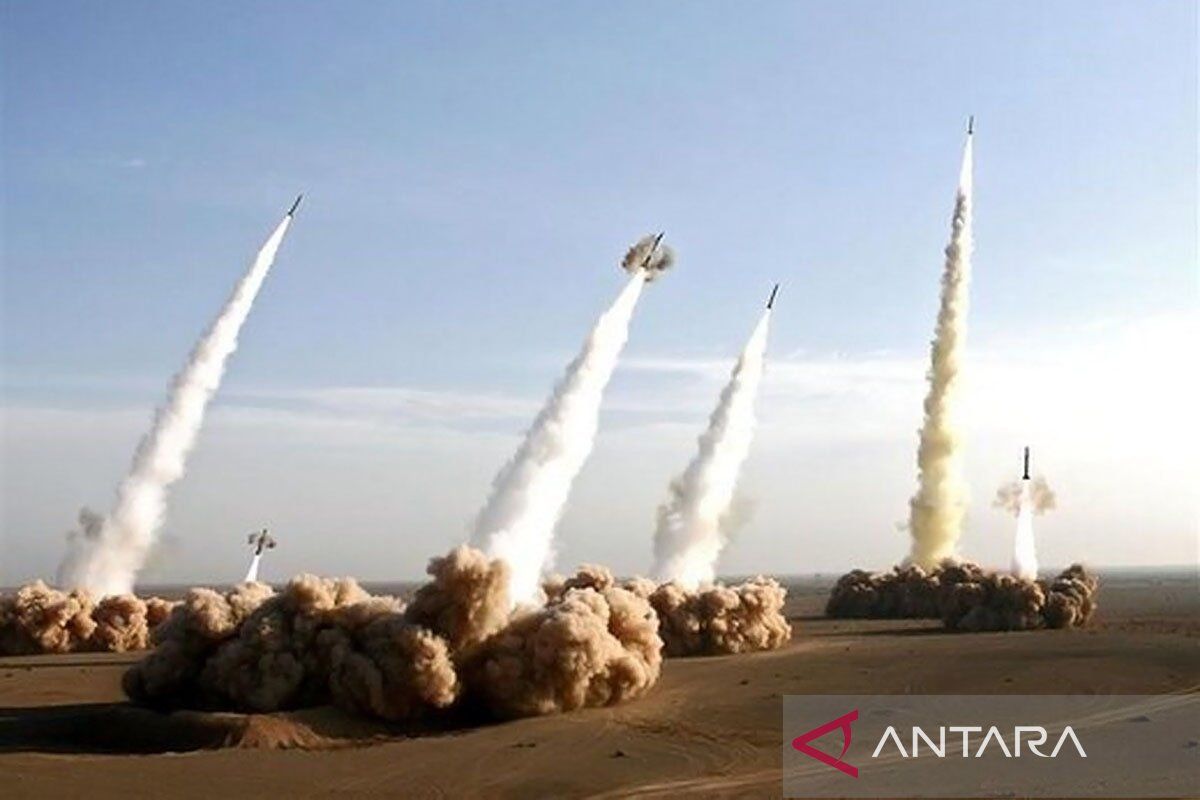
Friday's air raids also reportedly targeted fuel storage tanks in Saada, the Houthis' northern stronghold. The Saudi-led coalition later announced it had intercepted a drone launched toward the Riyadh region, extending near-daily cross-border exchanges since Yemen's civil conflict reignited in July 2026 after a 2022 truce collapsed.
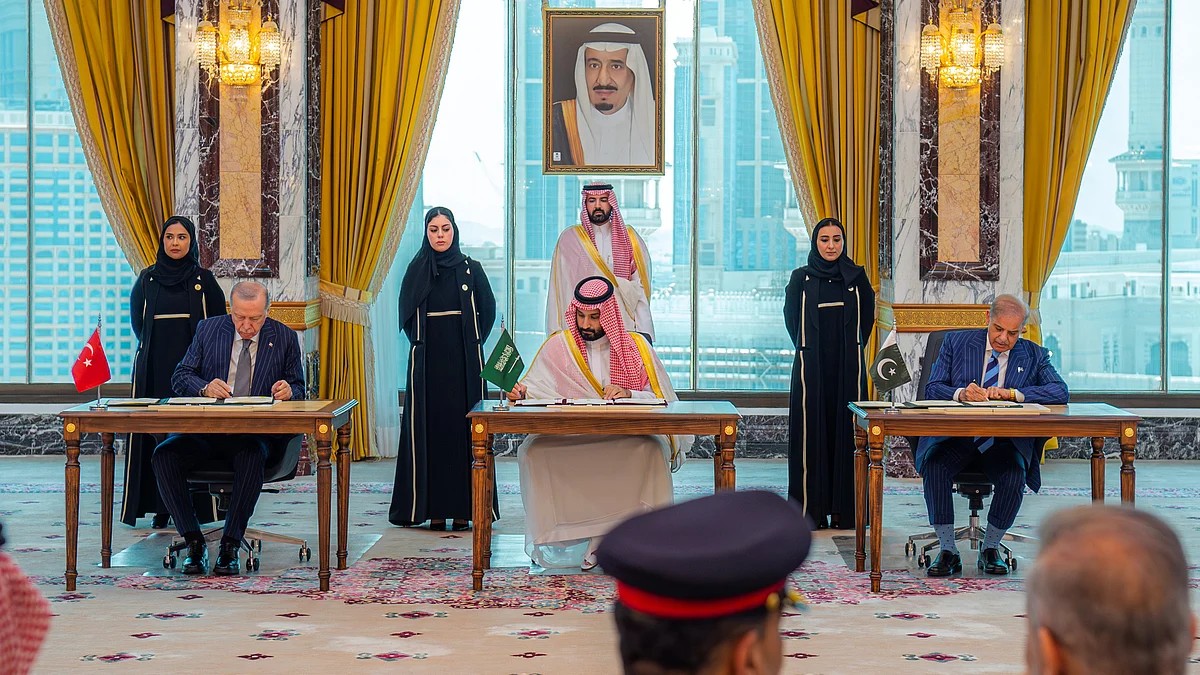
What is the Makkah Defence Alliance discussing in Islamabad?
As fighting intensified, foreign and defense ministers from Saudi Arabia, Turkiye, and Pakistan opened a two-day Strategic Political and Defence Committee (SPDC) summit in Islamabad under their trilateral Makkah Defence Alliance. Pakistani authorities declared a public holiday and imposed strict security measures across Islamabad and Rawalpindi for the high-level talks.
Pakistani Defence Minister Khawaja Asif emphasized that under the August pact, any armed attack against Saudi Arabia constitutes an attack on Pakistan and Turkiye as well. Ahead of the summit, Pakistani Foreign Minister Ishaq Dar spoke with Iranian Foreign Minister Abbas Araghchi on regional de-escalation, even as Houthi fighters hold coastal territory overlooking the Bab el-Mandeb Strait and push toward Aden.

How does Yemen's escalation affect Indonesia's fuel and citizens?
United Nations figures show that renewed fighting in Yemen since mid-year has killed more than 2,300 people and displaced over 364,000, while Saudi authorities report 27 deaths from Houthi strikes inside the kingdom. Earlier AIGOS News coverage noted Houthi drone threats around Jeddah and Jazan ports already rattled energy markets.
For Indonesia, a net fuel importer, heightened danger around Saudi oil infrastructure and the Bab el-Mandeb shipping lane keeps Brent crude near $96 per barrel while the Rupiah trades around Rp18,330 to Rp18,390 per US dollar. Elevated crude prices tighten pressure on Indonesia's state budget fuel subsidies, while Indonesia's Foreign Ministry and regional missions maintain close monitoring and evacuation contingency plans for Indonesian nationals in Yemen and nearby Gulf states.