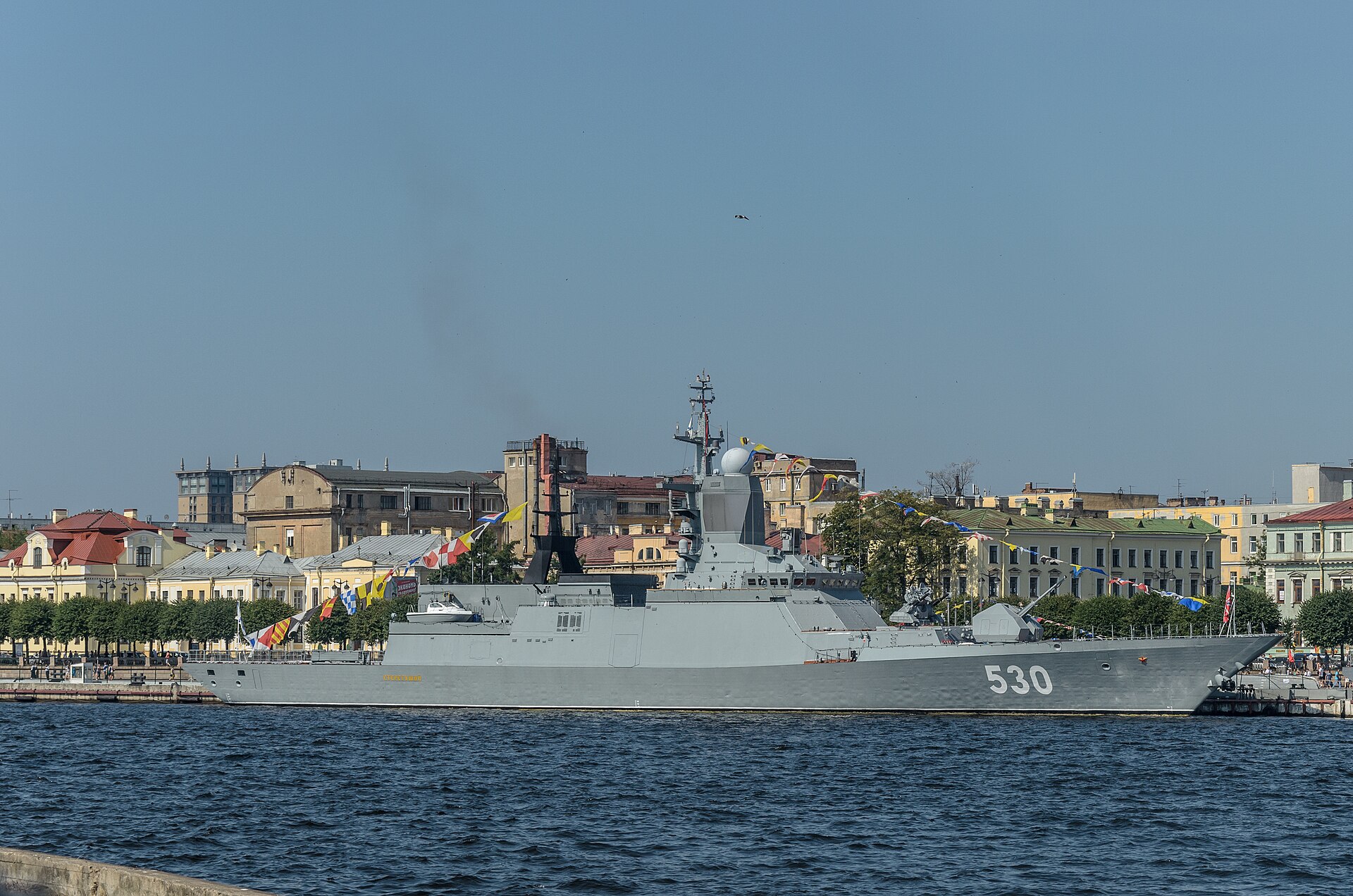
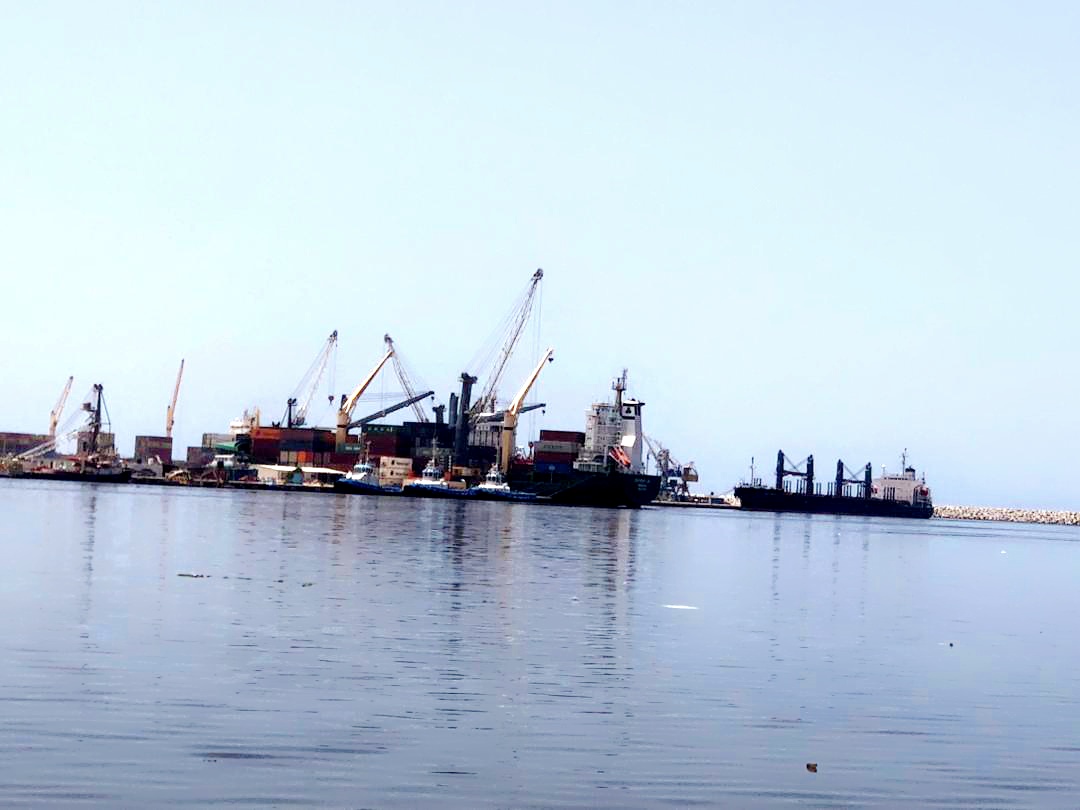
BENGHAZIA major explosion and fire struck a Russian Navy warship docked at Benghazi's naval base in eastern Libya on Sunday, November 22, 2026. Libya's eastern-based government said preliminary findings point to a suspected drone attack against a Russian vessel that had stopped to refuel and resupply while returning to Russia under bilateral maritime cooperation agreements.
Naval analyst H I Sutton reported for Naval News, cited by Turkiye Today and Suara Garut, that satellite imagery and footage provisionally identify the vessel as the Project 20380 Steregushchiy-class missile corvette Merkury. Commissioned in 2023 with a length of 104.5 meters and roughly 90 crew, the warship was engulfed in flames and assessed as almost certainly destroyed, though whether it sank at its berth or burned out remains unconfirmed.
How did Libyan officials and Moscow respond to the blast?
Benghazi civil defense initially described the blast as an ammunition depot fire inside the naval base before reporting the blaze contained and normal port operations resumed. Two medical sources told The Moscow Times injuries occurred with no deaths reported, while Arab News noted officials initially cited no casualties; Moscow issued no immediate comment and no group claimed responsibility.
Nominally part of Russia's Black Sea Fleet yet operating from Arctic Northern Fleet bases during the Ukraine war, Merkury had spent several days in Benghazi escorting a convoy of Russian state-linked arms export vessels. The Mediterranean blast followed Saturday's Baltic Sea drone strike on the cargo ship Sparta II—attributed to Ukraine by Finland's border guard—and a June 3, 2026 drone attack that heavily damaged sister corvette Boikiy in Kronstadt near St. Petersburg.

Why does Mediterranean shipping risk matter for Indonesia?
Spreading naval drone strikes from the Black and Baltic seas into central Mediterranean ports such as Benghazi heightens war-risk marine insurance and freight surcharges along approaches to the Suez Canal. For Indonesia, predictable Mediterranean–Suez shipping lanes are vital to safeguard export competitiveness with Europe after Jakarta and the European Union recently signed the IEU-CEPA pact moving 90.4 percent of Indonesian tariff lines toward zero duty.
Eastern Libyan authorities condemned the suspected strike as a breach of sovereignty and stressed Libya is not a party to the Russia-Ukraine war or foreign armed conflicts. Divided between the UN-recognized government under Prime Minister Abdulhamid Dbeibah in Tripoli and commander Khalifa Haftar's eastern administration controlling Benghazi, officials pledged legal and diplomatic action against those responsible.