The United States has tightened access to its advanced artificial intelligence chips, requiring data centre customers in Indonesia and four other countries to seek special licences to buy them from US companies. Some lawmakers support the move but say broader oversight is needed once the chips leave the country.
The Commerce Department's Bureau of Industry and Security identified Indonesia, Thailand, Malaysia, Singapore and Brazil as presenting a higher-than-normal risk that chips could be diverted. The rule, announced this week, covers advanced chips from companies including Nvidia and aims to close a route for remote access through data centres in third countries.
For data centre customers in Indonesia, the measure adds a licensing requirement to purchases of advanced US chips. American officials say companies in China have been able to use computing power in third countries to bypass US restrictions. China has rejected the measure, calling it economic coercion.
Democratic Representative Pramila Jayapal said export controls were necessary but called for a wider debate about concentration in the AI market. In October, she introduced a policy framework requiring every AI company operating in the US to obtain a federal charter, with strict safety requirements and federal oversight.
Congressional scrutiny also extends to suspected Nvidia chip smuggling. Senior Democrats on the House Judiciary Committee announced an inquiry into whether Commerce Secretary Howard Lutnick had obstructed efforts to stop it. Separately, the House Foreign Affairs Committee said the administration approved exports of 879,000 Nvidia and AMD chips to Chinese companies between December 2025 and May 2026.
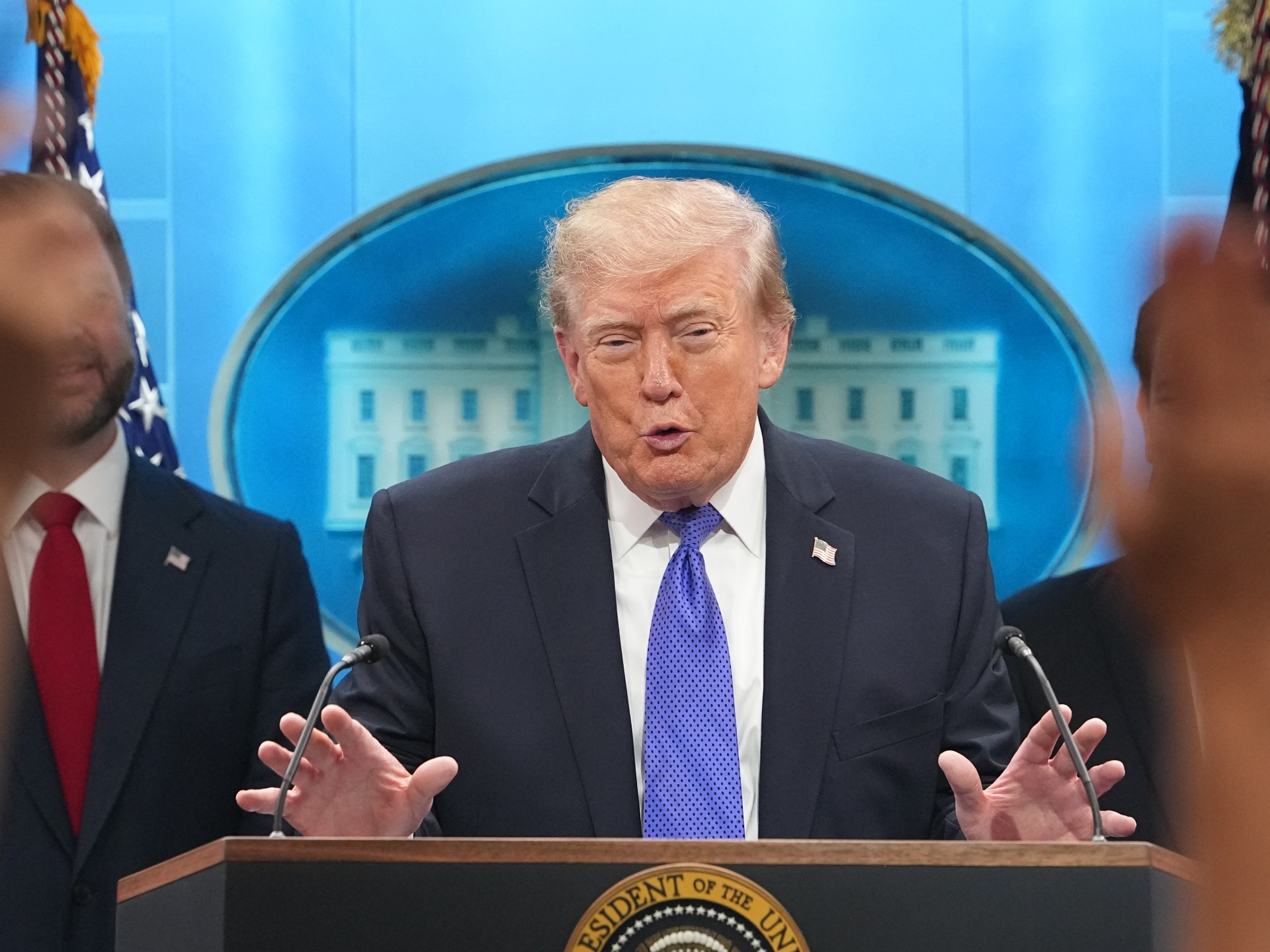
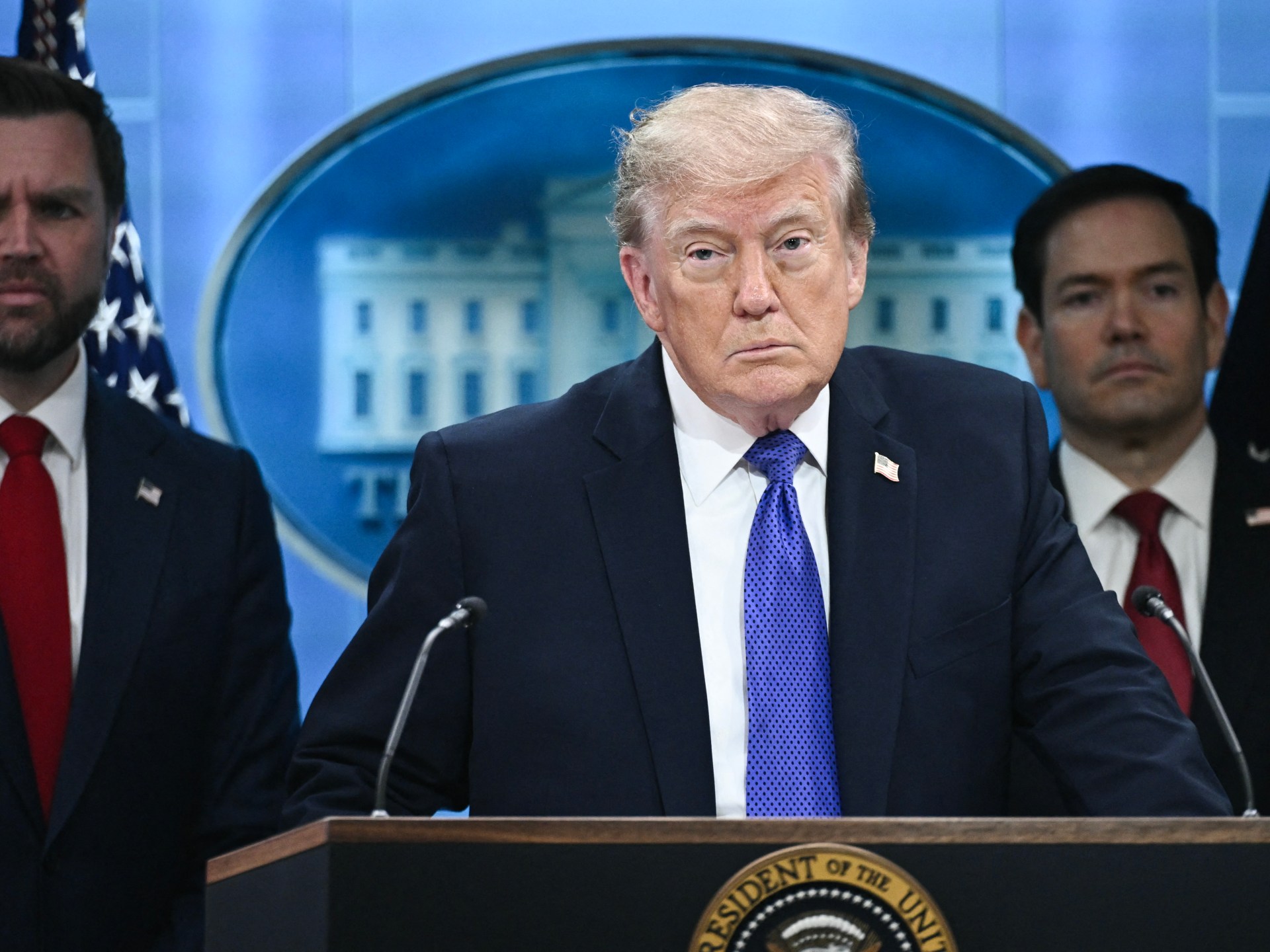
President Donald Trump said on Friday that he would prohibit US companies from developing data centres in other countries and impose substantial penalties, though his plans and their enforcement remained unclear. Stephen Ezell of the Information Technology and Innovation Foundation said the BIS rule would be difficult to enforce. He said export controls may have slowed China, but had not altered its ambition to lead the global AI chip industry.