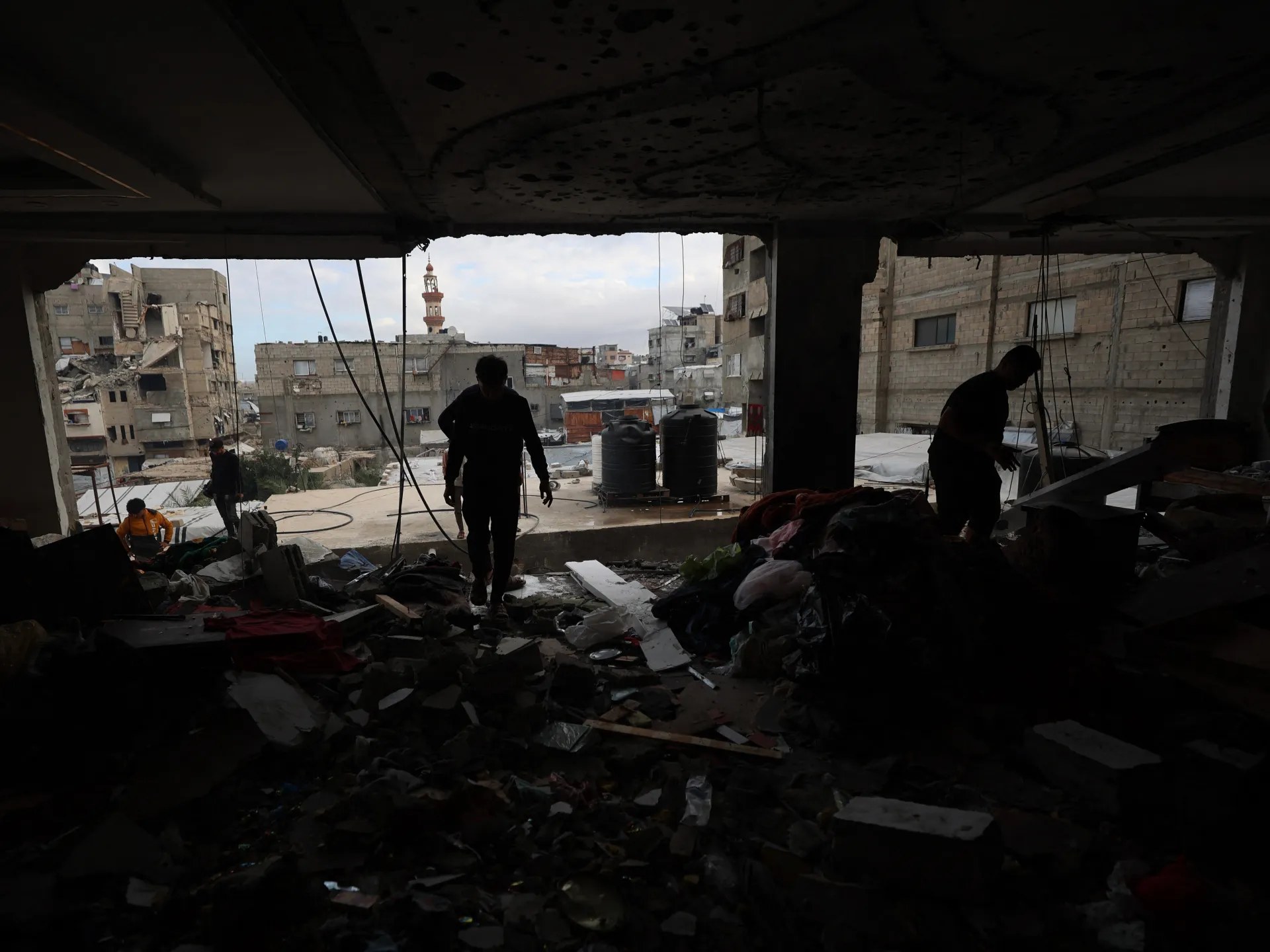
GAZA CITYIsraeli air and drone strikes killed at least eight Palestinians across the Gaza Strip on Thursday (26/11/2026), including Gaza Ministry of Education undersecretary Khaled Abu Nada and his wife in western Deir el-Balah, despite a formal ceasefire in the territory.
How did the latest strikes unfold across Gaza?
Medics at Al-Aqsa Martyrs Hospital said six others were wounded—several critically—after Israeli Apache helicopters fired two missiles without prior warning at a residential apartment near hundreds of displaced-family tents during dawn prayers. Caretaker Prime Minister Benjamin Netanyahu and Defense Minister Israel Katz confirmed killing Abu Nada, alleging he oversaw Hamas's economy and education portfolios, while separate drone strikes in northern Gaza's Shati refugee camp and Tuffah neighborhood killed six more people.
Thursday's toll followed a Wednesday (25/11) strike in Shati camp that killed northern Gaza internal security chief Mohammed Abu al-Ouf alongside his wife and two daughters and wounded 12 others, one day after internal security director Naim Abu Nahl was killed. Gaza Health Ministry spokesperson Zaher al-Wahidi told Al Jazeera more than 1,600 Palestinians—including 130 this month—have been killed since the October 2025 ceasefire took effect, bringing total fatalities since October 2023 to 74,746.
Why is Netanyahu's political grip weakening?
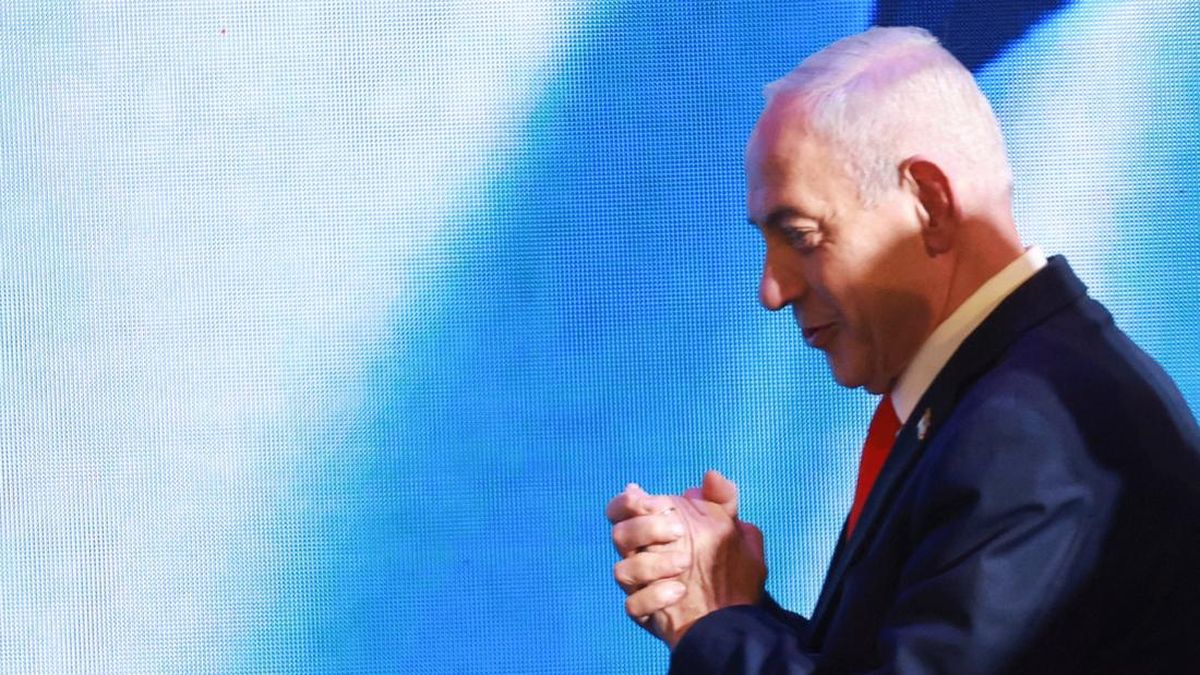
Even as strikes escalate in Gaza, Netanyahu's political survival in Jerusalem is rapidly weakening. Israeli public broadcaster Kan reported that Netanyahu told aides only a "miracle" could stop former military chief Gadi Eisenkot from forming a rival government after Eisenkot's Yashar party signed a coalition deal with Avigdor Liberman's Yisrael Beytenu on Tuesday (24/11).
Netanyahu's concern deepened as longtime ultra-Orthodox ally United Torah Judaism (UTJ) entered coalition talks with Eisenkot's bloc, prompting Netanyahu to lobby UTJ leader Yaakov Asher on Wednesday. Israeli outlet Israel Hayom reported that while Eisenkot's four-party bloc faces friction over the Justice Ministry, talks have weighed defense, finance, and foreign ministry roles for Liberman, Naftali Bennett's B'Yachad, and Yair Lapid.

How does this affect Indonesia's Gaza diplomacy?
For Indonesia, persistent fatal strikes amid a fragile Gaza truce underscore Jakarta's diplomatic push alongside OIC partners for full ceasefire compliance, civilian protection, and unimpeded humanitarian aid delivery. Any shift from Netanyahu's caretaker administration to an Eisenkot-led coalition will also be closely watched by Indonesian policymakers because of its impact on Middle East security, regional stability, and the safety of Indonesian nationals abroad.
The outcome of negotiations between Eisenkot's camp and UTJ could determine whether Israel enters a new governing coalition, while Gaza officials warn that continued strikes near Israel's control lines risk deepening humanitarian collapse.