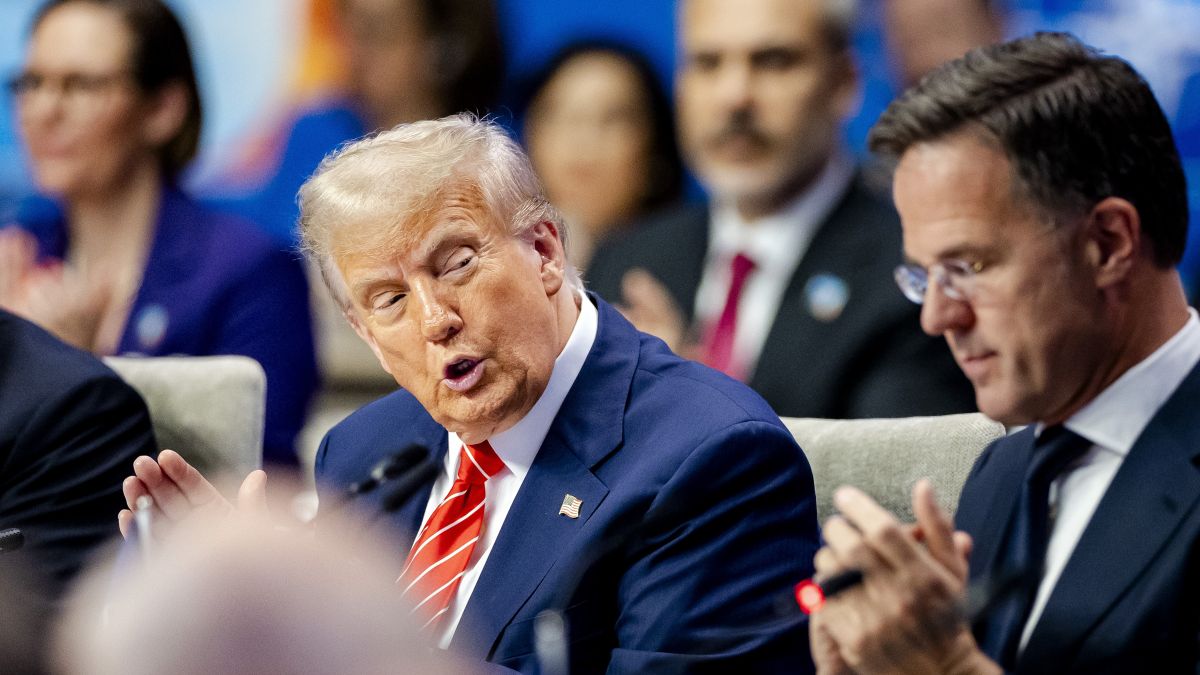
PALM BEACHUnited States President Donald Trump and NATO Secretary General Mark Rutte urged Russia to avoid any actions—intentional or unintentional—that widen the war in Ukraine, following closed-door talks at Trump's Mar-a-Lago resort in Florida on Wednesday (25/11/2026).
What did Trump and NATO chief Rutte agree on?
In a joint statement issued by the White House, Trump and Rutte stressed the urgency of achieving a rapid peaceful resolution while discussing allied defense spending, trade tariffs, and the conflict with Iran. The Florida talks came less than a week after Trump met Russian President Vladimir Putin and Chinese leader Xi Jinping in Asia, a summit that drew pushback from US Democrats and European allies seeking inclusion in peace negotiations.
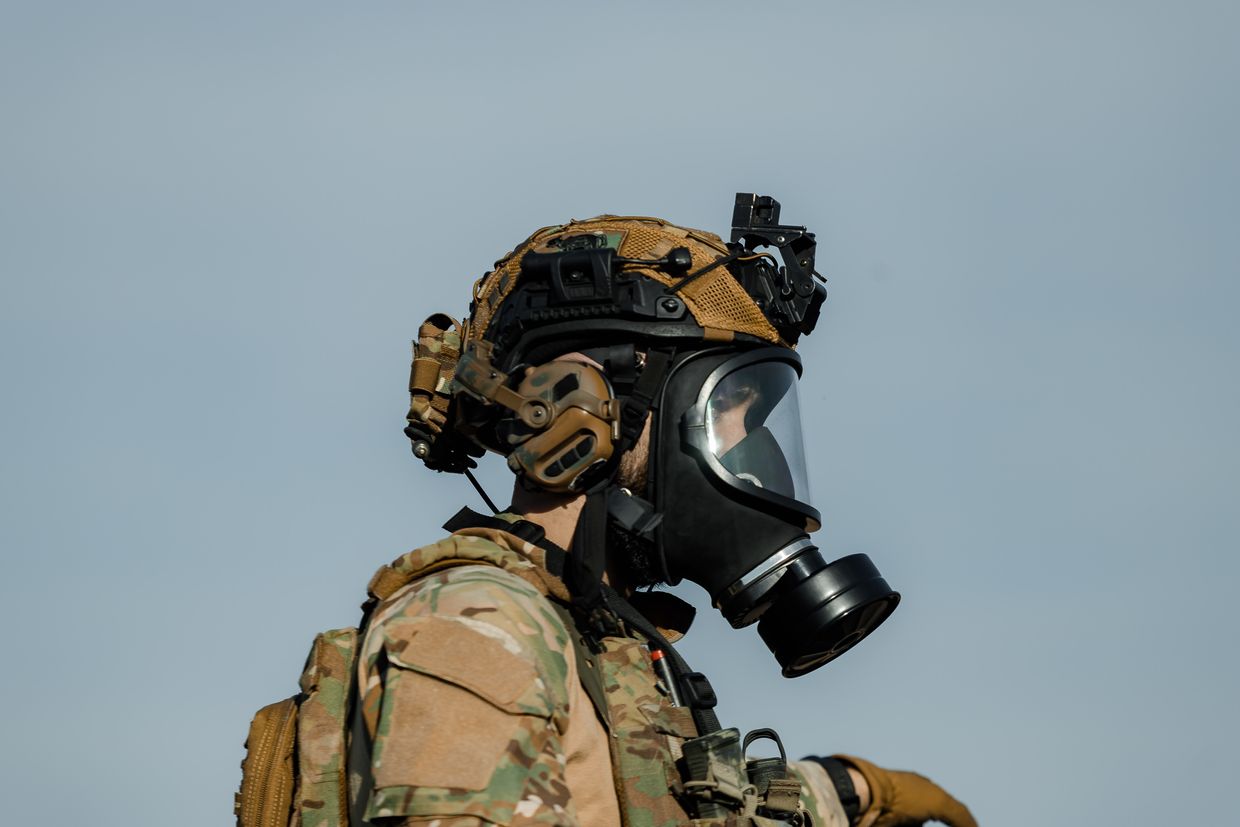
On the same day in The Hague, a coalition of 34 member states of the Organisation for the Prohibition of Chemical Weapons (OPCW) alongside the European Union demanded that Moscow immediately halt the battlefield use of toxic chemicals and riot-control agents in Ukraine.
Why did 34 countries condemn Russia at the OPCW?
Backed by countries including the United Kingdom, Canada, Japan, Sweden, and Ukraine, the Nov. 25 statement followed a Ukrainian report documenting 14,000 instances of Russian forces firing K-51, RGR, and RG-VO grenades loaded with banned CS and CN agents to drive Ukrainian troops from shelters. The OPCW confirmed Kyiv's methodology met technical standards and previously verified CS presence on the front lines, although Moscow denies violating the Chemical Weapons Convention.
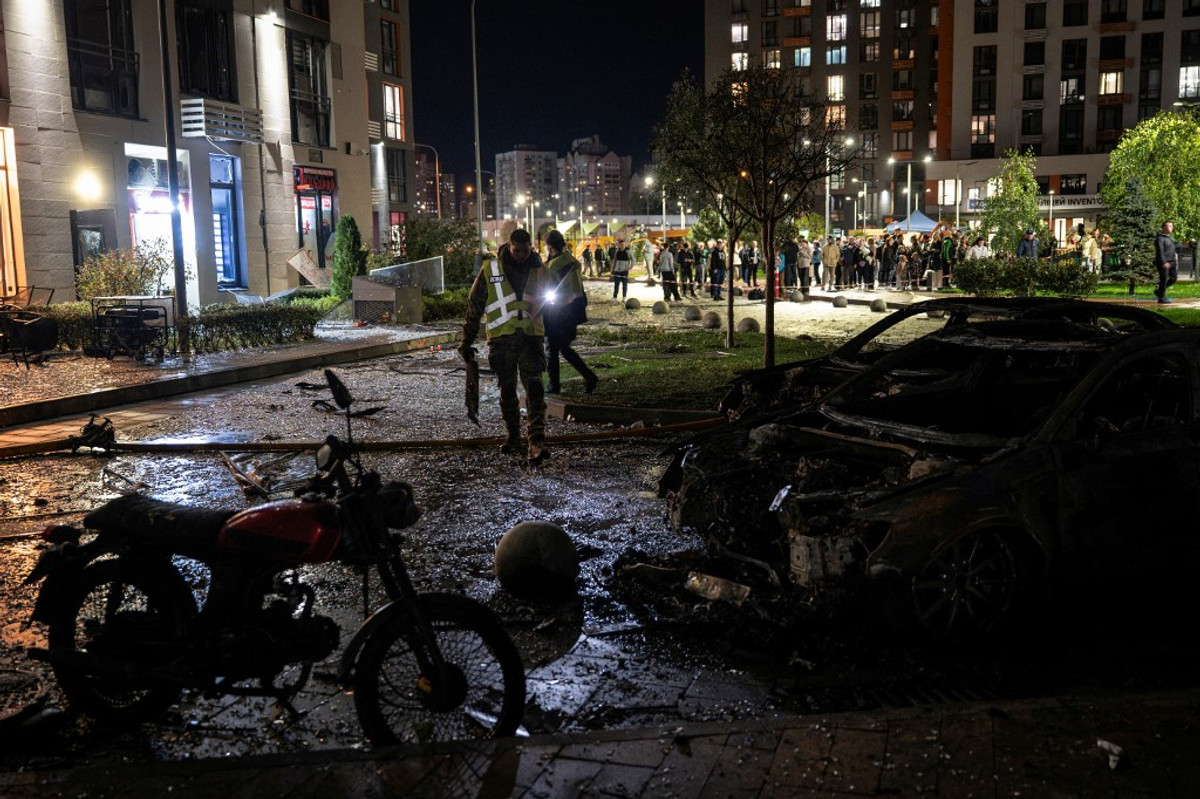
Battlefield pressure remains acute as Ukrainian leaders warn of winter strikes on power and heating networks after a Russian ballistic missile hit a Kyiv shopping center late Wednesday, injuring seven people. Meanwhile, Ukrainian strikes near Russian industrial facilities—including major ammonia and ammonium nitrate plants—highlight the vulnerability of regional chemical and energy infrastructure.

How does the prolonged war affect Indonesia?
For Indonesia, protracted conflict between Russia and Ukraine keeps global energy, grain, and fertilizer supply chains volatile. Ongoing disruption across Black Sea trade routes, sanctions, and ammonia-nitrate production hubs creates persistent import-cost risks for Indonesia's wheat-dependent food sector and agricultural fertilizer supply.
OPCW delegates meeting in The Hague through Nov. 27 are pressing for accountability mechanisms to identify perpetrators, while European allies await clarity from Washington and NATO on the next phase of US-mediated diplomacy.