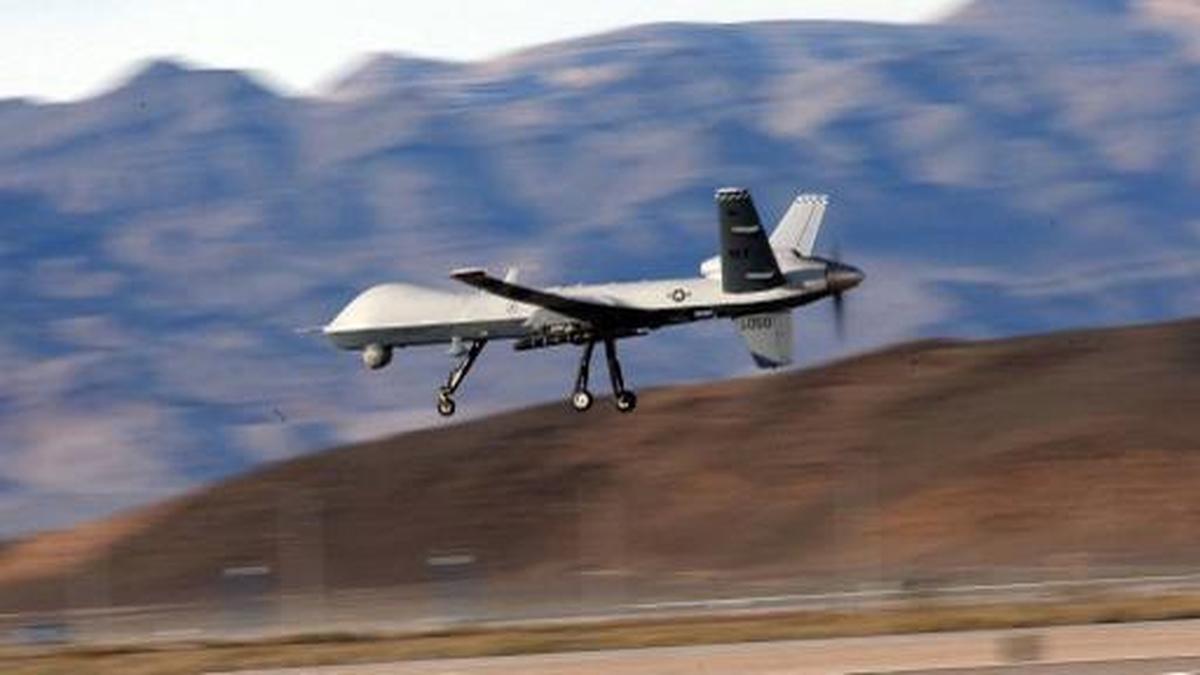
TEHRANIran's military claimed on Thursday (26/11/2026) that its air defenses shot down two United States military drones—identified as a Lucas and an MQ-9 Reaper—over the Gulf region, sharpening confrontation along the world's busiest oil transit chokepoint.
How were the two US drones reportedly downed near Hormuz?
According to an Armed Forces statement carried by Iran's Tasnim news agency and reported by TRT World, the Lucas drone was destroyed west of the Strait of Hormuz by domestically built air defenses, while the MQ-9 Reaper was struck east of the strait. US defense officials had not issued an immediate response to Tehran's claims.
The drone incidents unfolded alongside sharp diplomatic accusations after Israeli Defense Minister Israel Katz alleged on Tuesday (24/11) that Iran was developing chemical weapons. On Wednesday (25/11), Iranian Foreign Minister Abbas Araghchi accused Katz on X of trying to trick Washington back into war, noting that Iran is a party to the NPT and OPCW whereas Israel refuses WMD treaties—a claim also questioned by Israeli opposition leader Gadi Eisenkot and Avigdor Lieberman.

Why did Gulf tensions push Brent crude to $94.71?
Global oil markets reacted quickly to renewed maritime risks in the Persian Gulf. Reuters data cited by CNN Indonesia showed Brent crude rising 0.1 percent to US$94.71 per barrel at 01:37 GMT and US WTI climbing 0.4 percent to US$84.03 per barrel, extending Wednesday's 3.5 percent and 2 percent rallies after Houthi forces claimed strikes on Saudi Arabia's Ras Tanura refinery and Iranian media reported tankers hitting sea mines in the Strait of Hormuz.
ANZ analyst Daniel Hynes warned that widening Middle East hostilities threaten to stall recovering Persian Gulf crude exports ahead of the Nov. 29 OPEC+ ministerial meeting on 2027 output policy. Although Washington and Tehran previously signed a diplomatic memorandum of understanding mediated by Qatar and Pakistan, implementation has deadlocked over freedom of navigation in the Strait of Hormuz since open conflict erupted in late February.

What does this mean for Indonesia's fuel bill and budget?
For Indonesia, Brent crude nearing US$95 per barrel and fresh shipping disruption in Hormuz carry direct fiscal and energy risks as a net oil importer. Combined with the Rupiah weakening to Rp18,400 per US dollar on Thursday, sustained oil-price pressure raises Indonesia's fuel import bill and strains state budget (APBN) energy subsidy buffers.
Markets and policymakers now watch whether Sunday's OPEC+ talks can reassure crude supply expectations and whether regional mediators can contain Gulf flare-ups before broader maritime trade is disrupted.