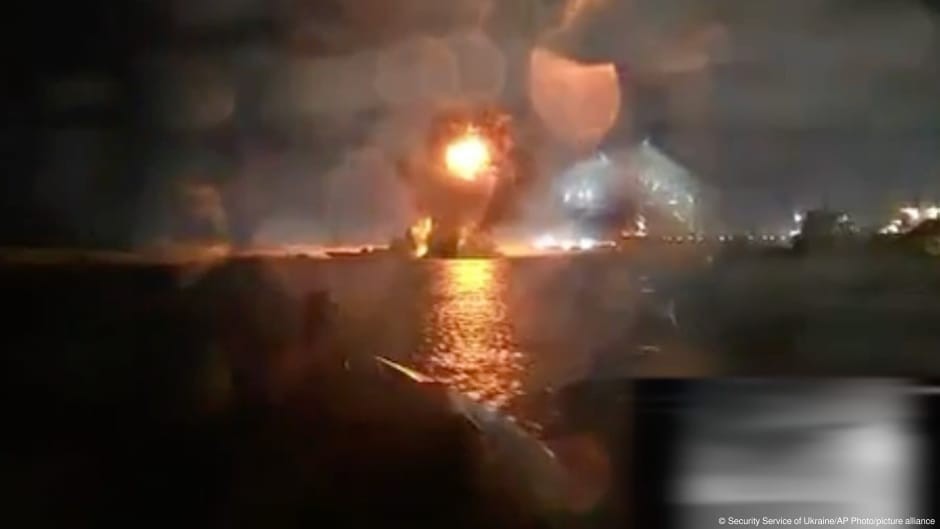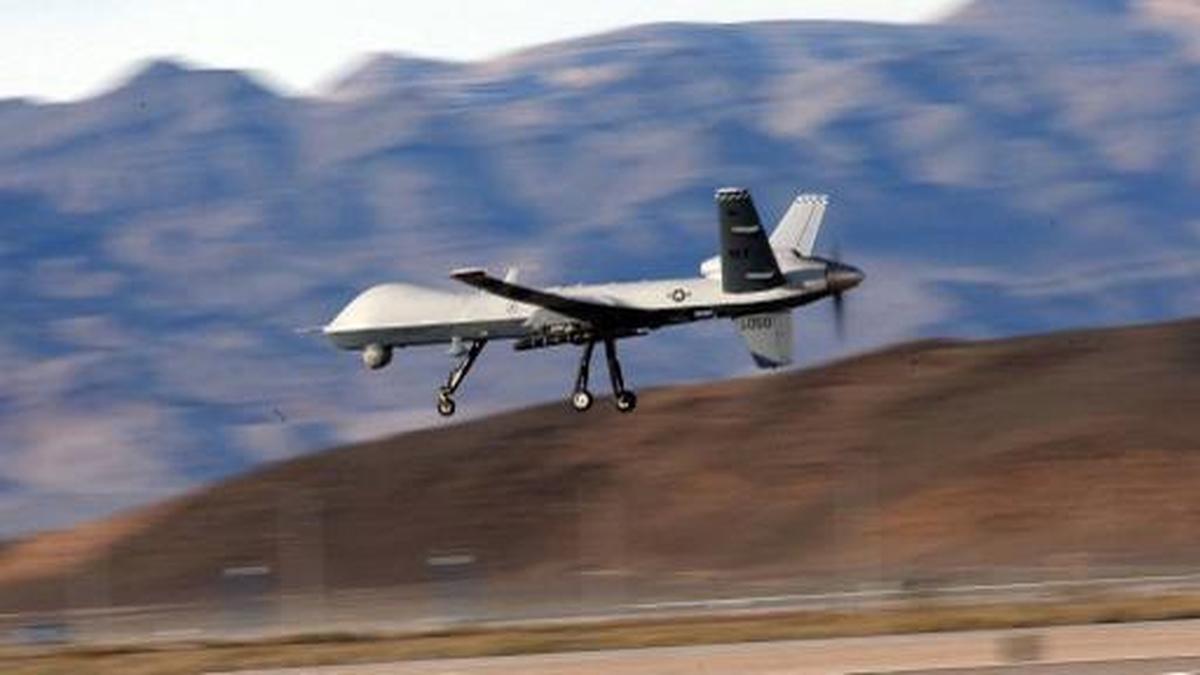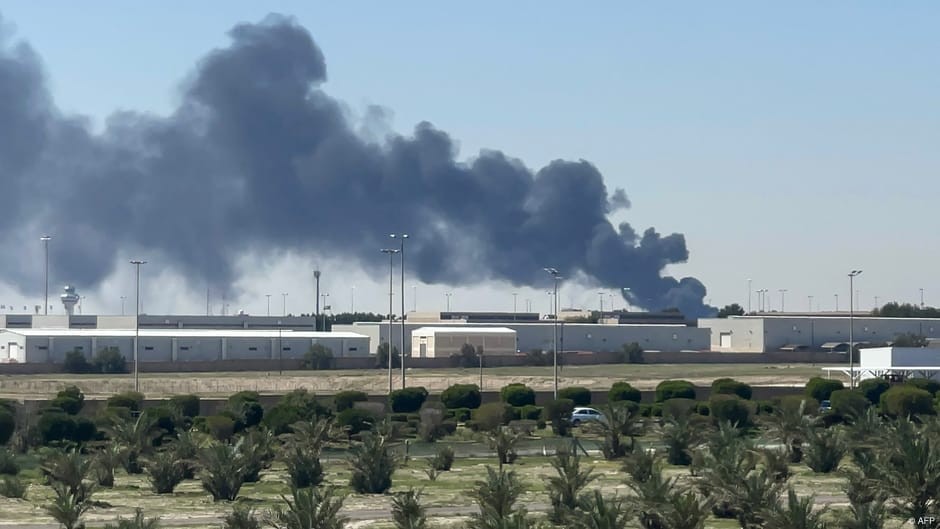
KUWAIT CITYAn Iranian drone attack struck military infrastructure in Kuwait on Thursday (26/11/2026), killing two Italian civilian technicians working at an air-defense surveillance site. Italian Foreign Minister Antonio Tajani told the Senate in Rome that both victims were employed by Rheinmetall Italia, the Rome-based subsidiary of German defense contractor Rheinmetall.
How did the drone strike hit Kuwait's air-defense site?
Italy's Foreign Ministry said the two technicians were in Kuwait maintaining detection antennas for an air-defense system operated by Kuwait's armed forces when a powerful explosion hit the station. Kuwait's Defense Ministry confirmed its military intercepted several drones in national airspace, but falling debris at a vital facility killed the two Italians, injured a Kuwaiti army captain and a Pakistani national, and caused material damage.
European leaders swiftly condemned the strike as evidence that the Gulf conflict is endangering civilian specialists and Western partners beyond direct battlefields. Italian Prime Minister Giorgia Meloni offered condolences to the victims' families, while European Commission President Ursula von der Leyen called for heightened pressure on Tehran to halt unacceptable attacks on Gulf neighbors. Neither Iran's Foreign Ministry nor Rheinmetall issued immediate comment.

How is Gulf escalation colliding with US war-funding talks?
Thursday's strike marked the second reported Iranian attack on the US-allied Gulf state this month, following earlier strikes on a Kuwaiti air base hosting American troops after US forces hit Iran's Qeshm Island in the Strait of Hormuz. Regional spillovers have also intensified across neighboring energy hubs, with Bahrain reporting two injuries on Sunday and Yemen's Houthi forces claiming a strike on Saudi Arabia's Ras Tanura oil refinery on Wednesday.
Meanwhile, the nine-month conflict faces mounting legislative pressure in Washington ahead of a December 11 federal funding deadline. Democratic lawmakers including Representatives Yassamin Ansari and Ro Khanna are pushing to bar taxpayer funds from offensive operations in Iran as a Reuters/Ipsos poll found 71 percent of Americans want Congress to end the war, though King's College London scholar Andreas Krieg cautioned that existing Pentagon resources and the naval blockade could sustain operations even under budget limits.

Why does Kuwait escalation matter for Indonesia's economy and citizens?
For Indonesia, escalating attacks across Gulf oil states amplify both macroeconomic pressures and citizen-safety concerns abroad. Maritime and infrastructure threats around the Strait of Hormuz helped lift Brent crude to US$94.71 per barrel and WTI to US$84.03 on Thursday while the Rupiah weakened to Rp18,403 per US dollar, squeezing Indonesia's net oil-import bill and state fuel-subsidy buffers while requiring heightened consular vigilance for Indonesian nationals living and working across the Gulf.