SEOULSEOUL — North Korean leader Kim Jong Un inspected two nuclear materials production factories and ordered broader deployment of battlefield nuclear weapons across multiple military missions. State news agency KCNA reported on Thursday (Nov. 26, 2026) that the tour came days after Pyongyang ignored U.S. President Donald Trump's offer to meet during his Asia trip.
Which nuclear facilities did Kim Jong Un inspect?
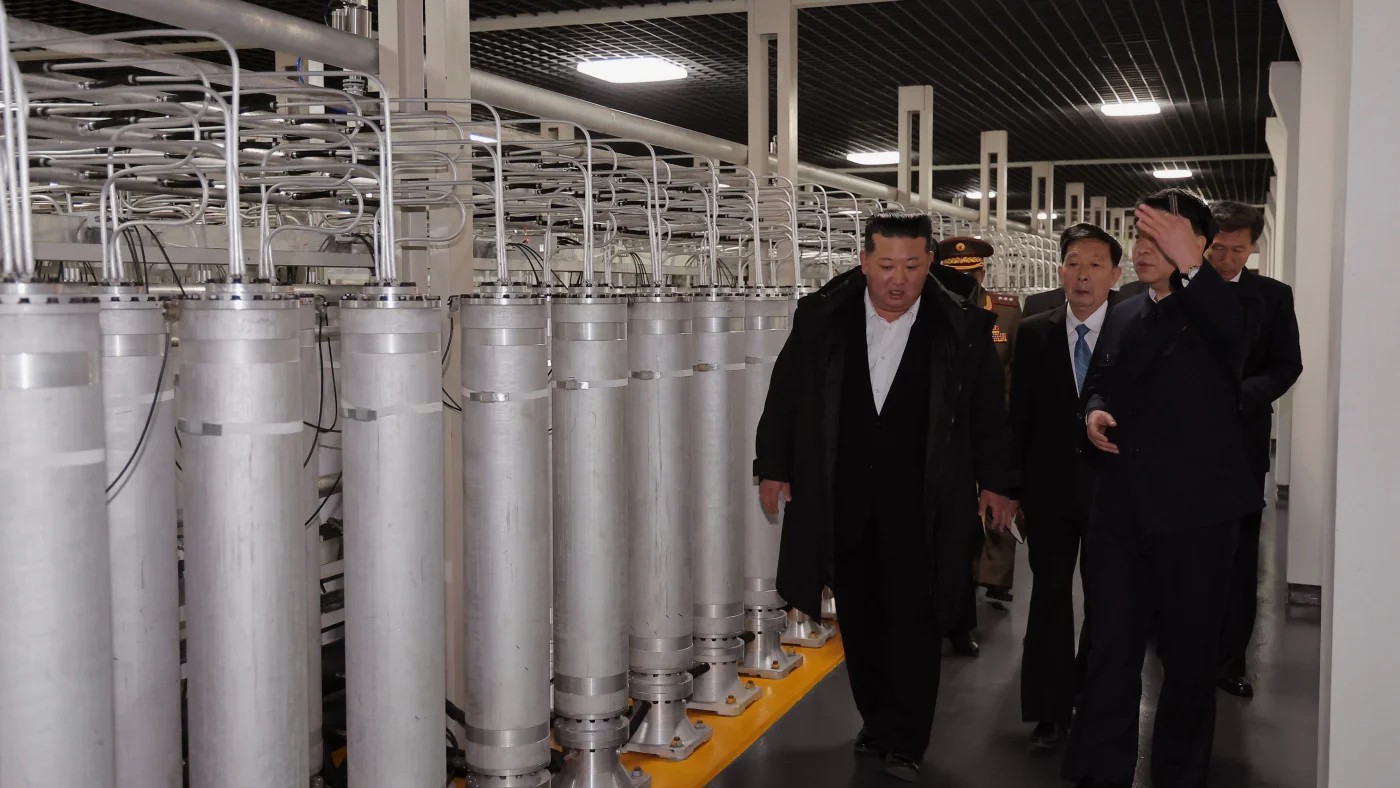
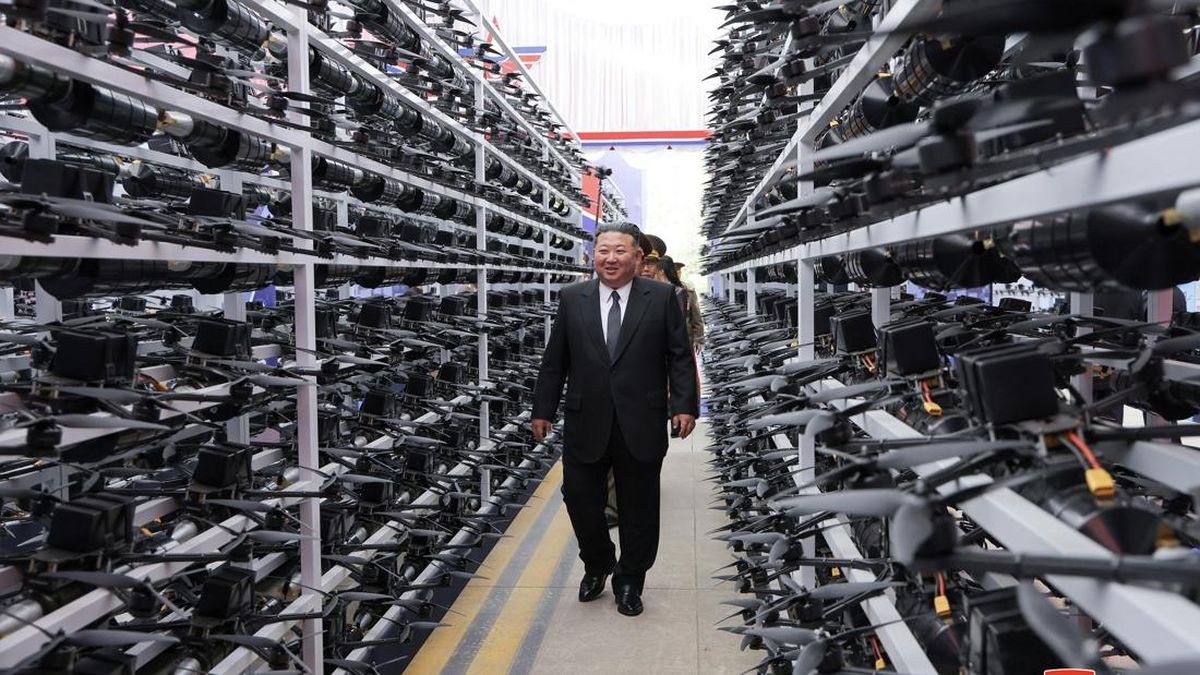
According to KCNA, Kim visited one newly inaugurated nuclear material plant and another undergoing expansion, alongside a nuclear-powered equipment base and weapons research institute on Wednesday. Official photographs showed Kim and senior commanders walking past rows of suspected uranium-enrichment centrifuges and touring halls displaying apparent warheads.
Kim declared North Korea's nuclear status an irreversible reality and warned that any attempt to deny it would be treated as an open declaration of war. He justified the buildup by accusing Washington of encouraging regional allies—an apparent reference to South Korea and Japan—to pursue nuclear-powered submarines and nuclear-sharing arrangements.
Why is Pyongyang expanding tactical nuclear weapons now?
Expanding low-yield tactical nuclear arms is an urgent task given border tensions with the South, Kim said, as Pyongyang refuses future denuclearization talks. South Korean assessments estimate North Korea holds 80 to 120 nuclear warheads after enshrining its nuclear-state status in the constitution in 2023.
Seoul-based analyst Moon Seong Mook said Kim is signaling to Trump that talks cannot proceed if Washington insists on dismantling North Korea's arsenal. Trump nonetheless told the New York Post this week that Kim had not snubbed him during the busy APEC summit schedule and said he could restart personal letter diplomacy at any time.

How did South Korea and Washington respond to the escalation?
The inspection follows months of friction along the inter-Korean border, including a Sept. 21 landmine blast in the Demilitarized Zone that wounded three South Korean soldiers and North Korea's firing of about 10 short-range ballistic missiles toward the Sea of Japan in October. South Korea's Defense Ministry said it takes Kim's tactical nuclear remarks seriously and maintains firm readiness with U.S. forces.
For Indonesia and ASEAN, renewed nuclear brinkmanship on the Korean Peninsula heightens security risks along key East Asian maritime trade lanes linking Indonesia with South Korea, Japan, and China. Prolonged regional tension also raises the stakes for Southeast Asian diplomacy to deter wider nuclear proliferation that could unsettle regional markets and investment.