BRUSSELSBRUSSELS — European Union leaders hit an impasse at an extraordinary summit in Brussels on Thursday (Nov. 26, 2026) over the bloc's proposed $1.76 trillion (€1.78 trillion) budget for 2028–2034 and a new $49 billion (€45 billion) loan package for Ukraine. Deep divisions split net budget contributors demanding fiscal restraint from eastern and southern members seeking to protect regional cohesion and farm funds.
Why are EU leaders split over the $1.76 trillion budget and Ukraine aid?
Italian Prime Minister Giorgia Meloni told reporters leaders were 'light-years away' from an agreement, refusing to sign a deal under which Italy would pay more and receive less. Hungarian Prime Minister Peter Magyar wrote that prospects for even a Christmas compromise looked slim, while Dutch Prime Minister Rob Jetten called for a leaner, modernized budget.
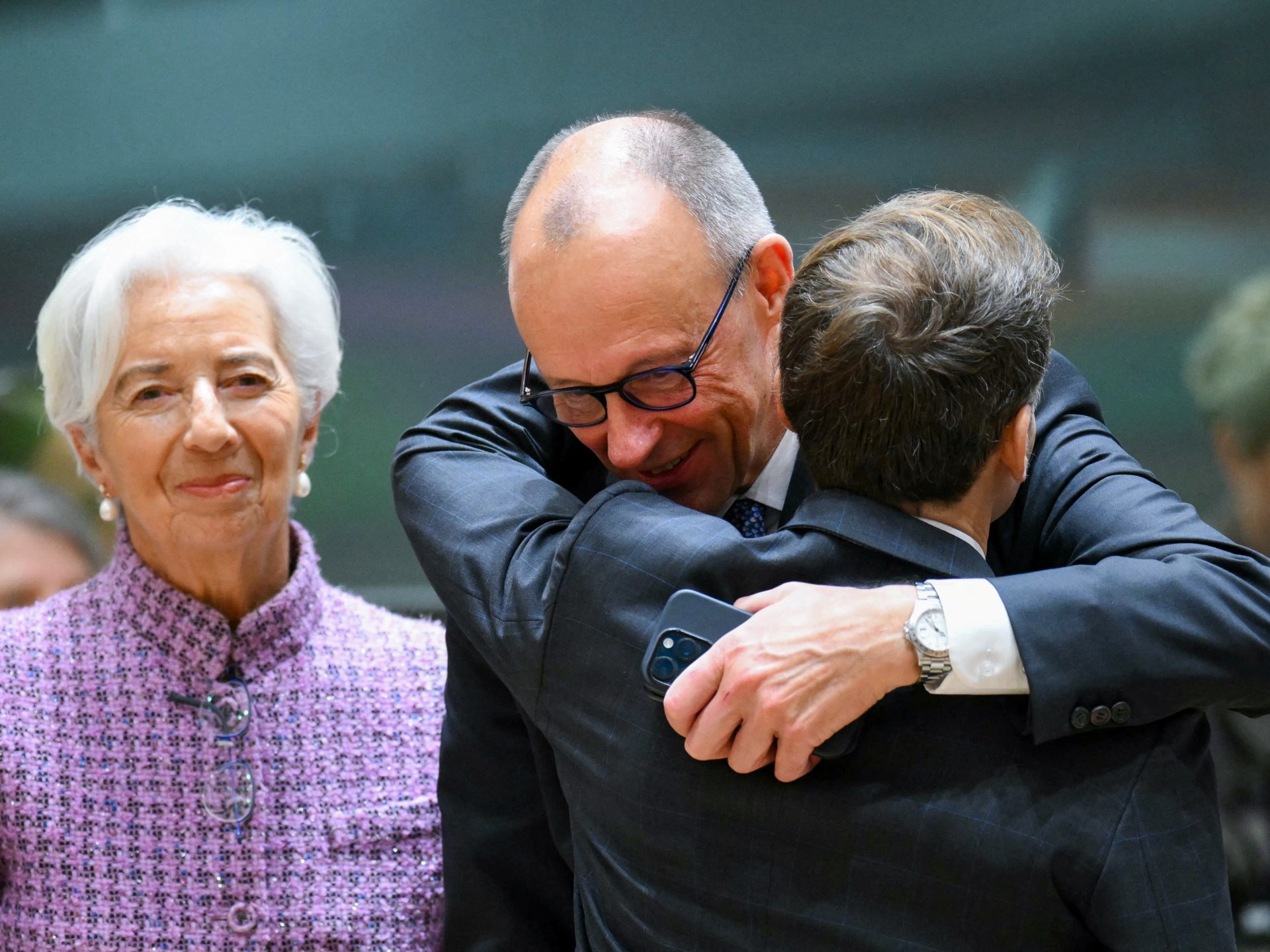
German Chancellor Friedrich Merz reiterated his warning that Berlin will block the seven-year spending plan unless all 27 member states back the Ukraine loan—split into €25 billion for military aid and €20 billion for civilian infrastructure. Berlin is also pushing to switch future Ukraine funding decisions from unanimity to majority voting to shield Kyiv's support ahead of France's 2027 presidential election.
How do Germany and Central European states clash on military funding?
Slovakia, Hungary, and the Czech Republic opposed linking national cohesion funds to weapons aid for Kyiv, with Czech Prime Minister Andrej Babis insisting Ukraine financing be negotiated separately. Bulgaria eased its opposition slightly, agreeing to contribute to the €20 billion non-military share for schools and hospitals, while European Council President Antonio Costa urged compromise before major 2027 elections complicate talks.
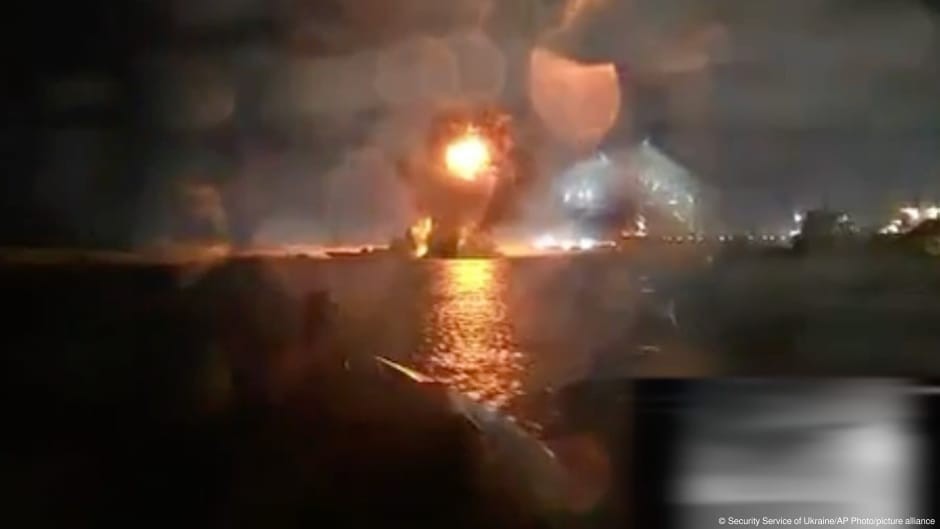
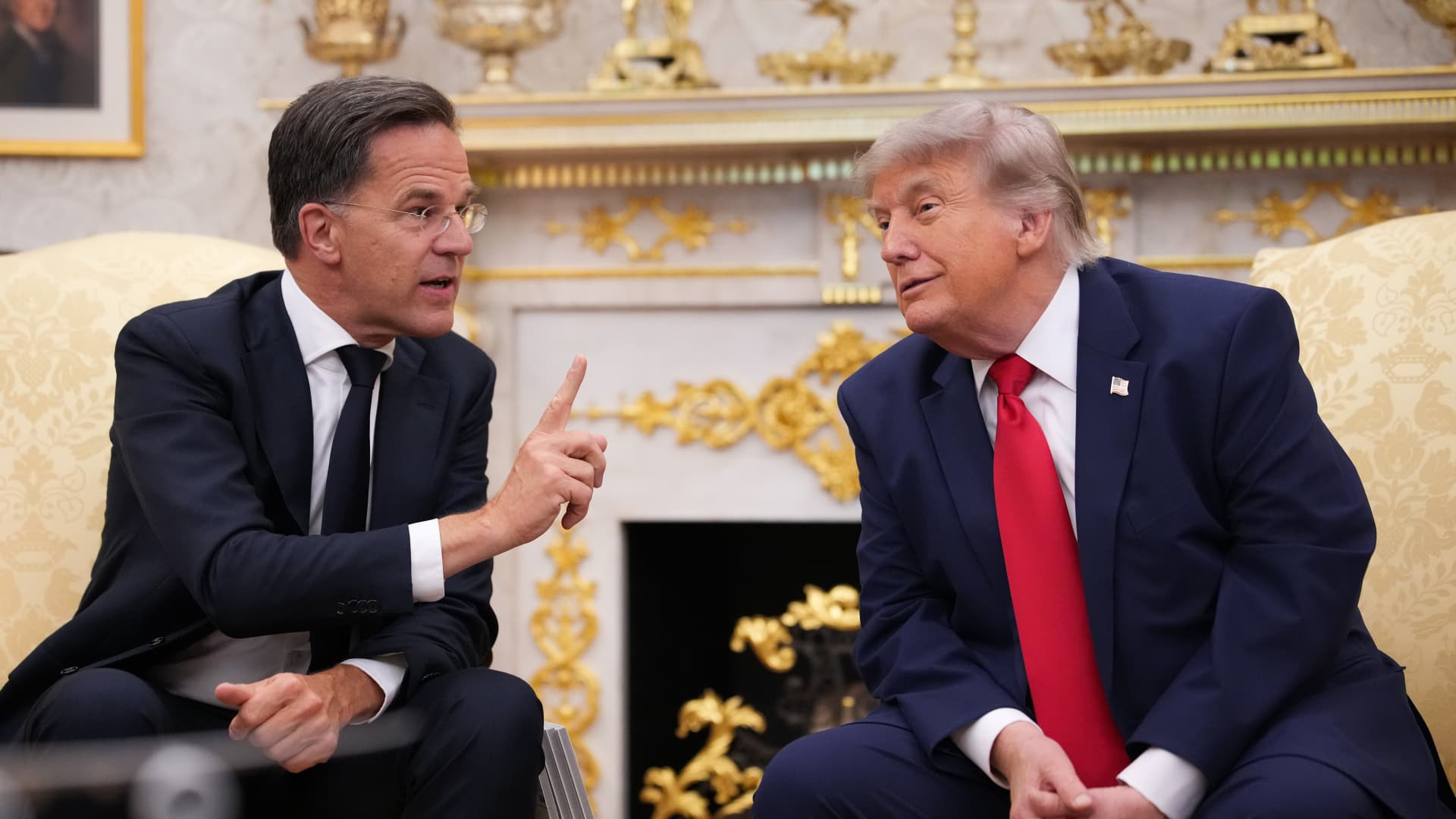
The Brussels deadlock unfolded alongside renewed Russian strikes that knocked out power and electric transit in Kryvyi Rih and five Ukrainian regions as winter sets in. In a joint statement from Florida on Thursday, U.S. President Donald Trump and NATO chief Mark Rutte urged Moscow to avoid any actions that intentionally or unintentionally expand the nearly five-year war.

Why does Ukraine's wartime financing outlook affect Indonesian food imports?
Protracted uncertainty over Ukraine's wartime finances and Black Sea shipping risks carries concrete spillover for major food importers including Indonesia. According to BPS trade figures cited by DataIndonesia.id, Indonesia's wheat imports from the European Union surged 365% through September 2026 ahead of the I-EU CEPA pact, while Ukraine remains a critical global grain supplier whose freight and currency shocks ripple into domestic flour and food costs.