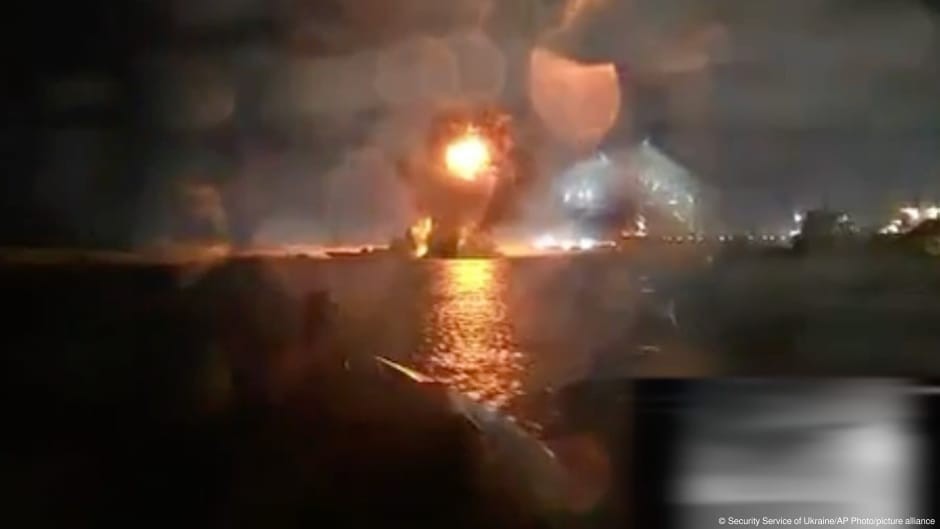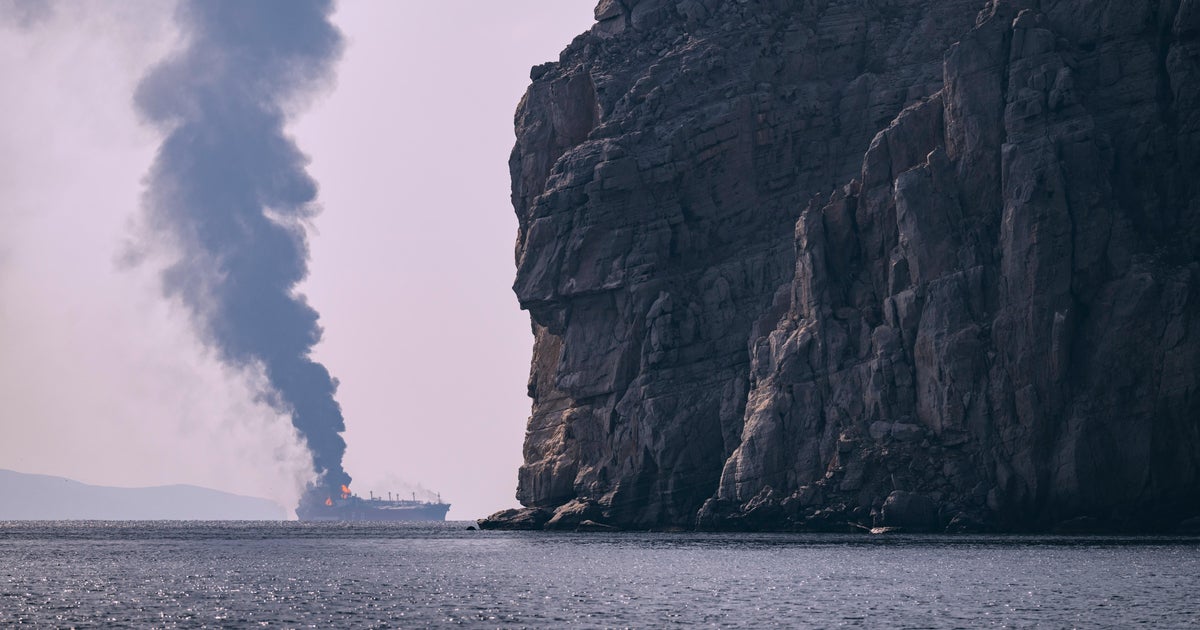
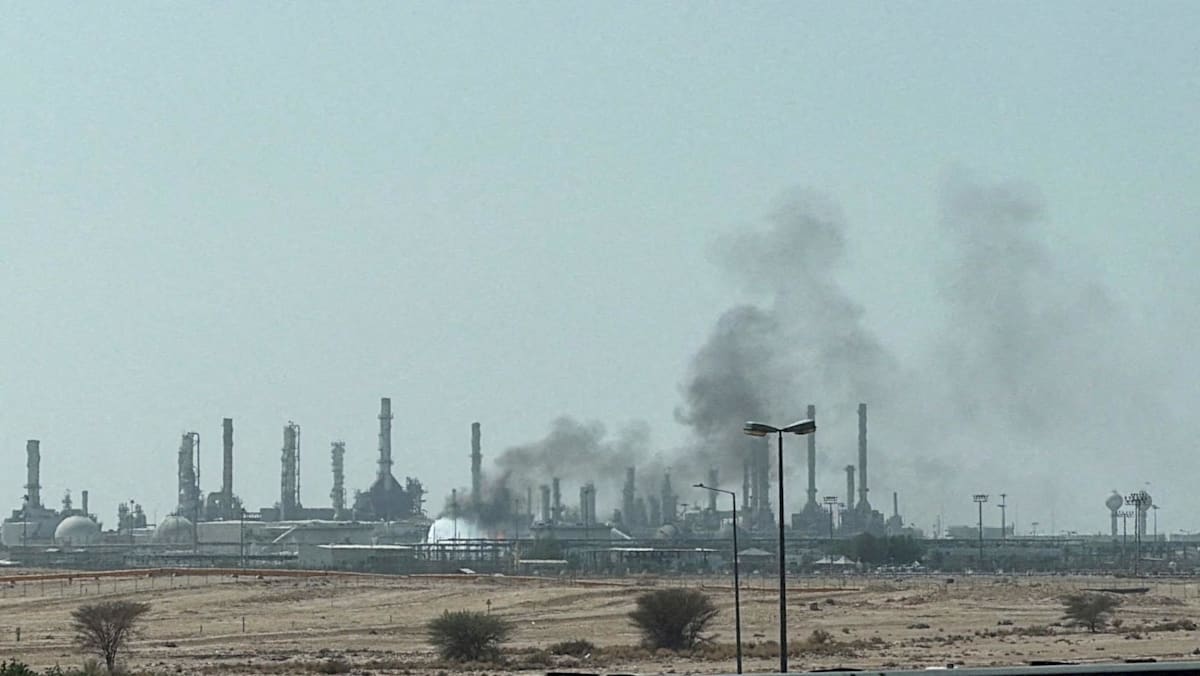
TEHRANTEHRAN — Maritime tensions in the Strait of Hormuz escalated sharply on Thursday (Nov. 26, 2026) after Iran's Islamic Revolutionary Guard Corps (IRGC) claimed two oil tankers exploded and caught fire after hitting naval mines north of Oman's Khasab port. Iranian state media said one of the vessels was a supertanker carrying more than 2 million barrels of crude oil along southern shipping lanes.
What happened near Oman's Khasab port in the Strait of Hormuz?
The mine-strike claim was not immediately corroborated by independent maritime security agencies, CBS News reported. Still, IRGC Navy commander Rear Adm. Ali Azmaei warned shipping firms that transit through the strategic waterway remains safe only by coordinating with Tehran, as maritime tracking firms reported steep declines in Hormuz vessel crossings this month.
Separately on Thursday, IRGC spokesman Brig. Gen. Hossein Mohebbi asserted in remarks carried by Iranian media and Republika that Tehran faces no missile shortage despite months of U.S. naval blockade and sanctions pressure. Mohebbi argued that rising U.S. military costs would eventually force Washington to halt its blockade, though neither Washington nor Tehran discloses verifiable strategic stockpile data.
How strained are US weapons stockpiles during the Iran conflict?
In Washington, an examination by the U.S. Government Accountability Office (GAO) published earlier in November concluded that the Iran conflict has strained inventories across several U.S. munitions categories. While the Pentagon endorsed most GAO recommendations to align defense production capacity, U.S. officials maintain American forces retain sufficient weapons to sustain Gulf operations.
For Indonesia, prolonged disruption along the Strait of Hormuz—through which roughly a fifth of seaborne petroleum typically passes—feeds directly into import bills and fiscal pressure. In its November 2026 APBN KiTa briefing, Indonesia's Finance Ministry acknowledged Middle East war shocks forced a mid-year revision of its 2026 budget assumptions, lifting its rupiah forecast from Rp16,500 to Rp17,500 per U.S. dollar and its Indonesian Crude Price benchmark from $70 to $83 per barrel.

How does the Hormuz standoff hit Indonesia's rupiah and fuel budget?
With the rupiah touching Rp18,403 per dollar this week and domestic oil lifting averaging 578,900 barrels per day below the 606,000-barrel target, higher war-risk tanker premiums leave state energy firm Pertamina and Jakarta's subsidy budget vulnerable. Authorities continue to coordinate fiscal buffers with Bank Indonesia while seeking diversified crude cargoes outside the Persian Gulf.