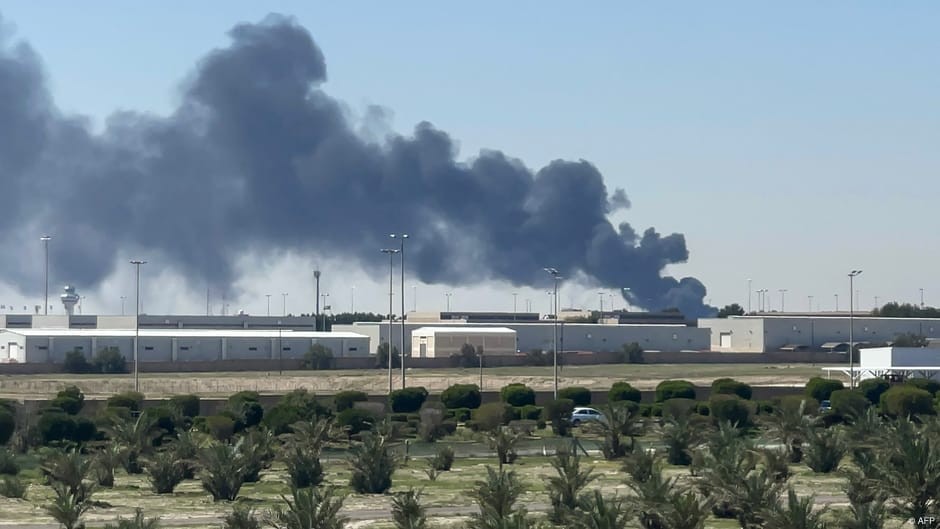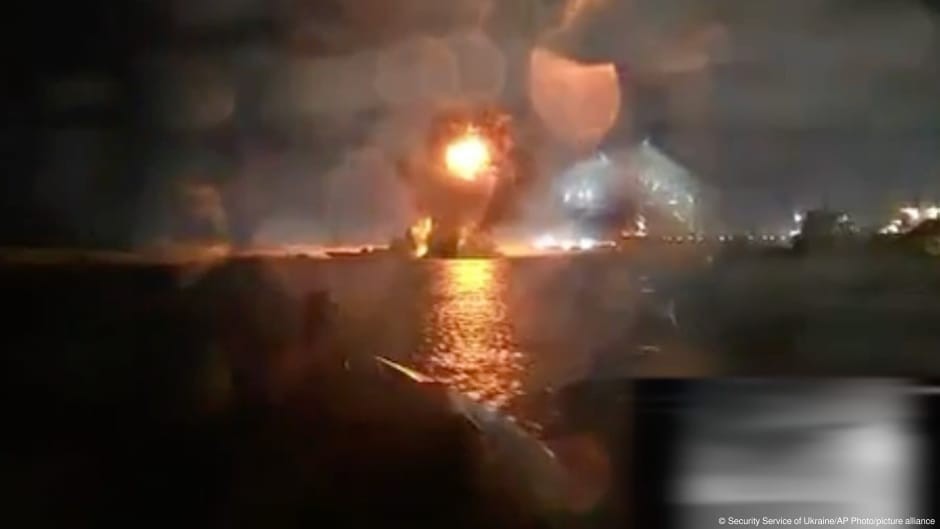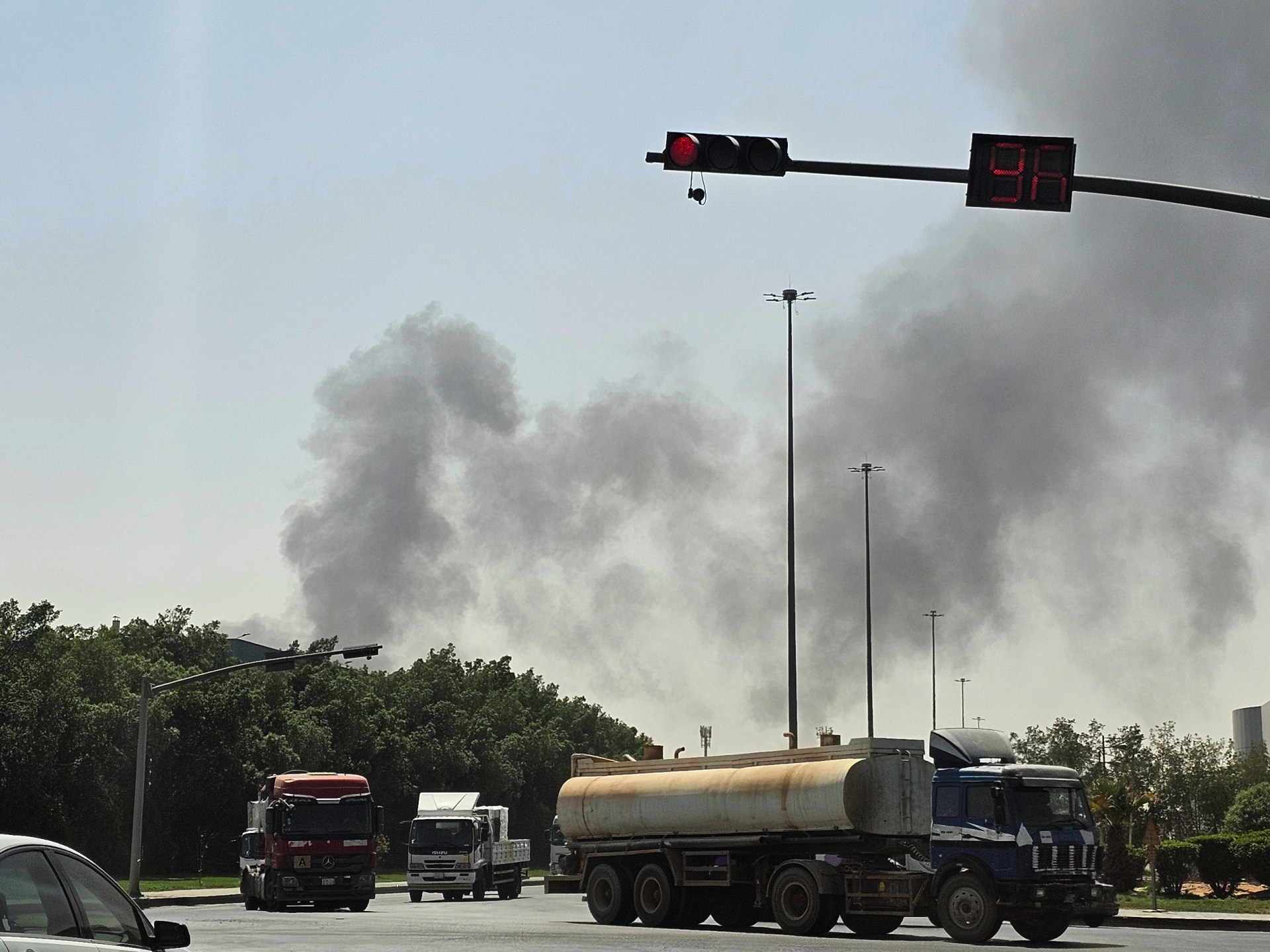
JAZANJAZAN — An aerial projectile struck Saudi Aramco's oil refinery in Jazan on Thursday (Nov. 26, 2026), killing a Nepali worker and injuring several other staff, according to Saudi Arabia's Ministry of Energy. The strike on the 400,000-barrel-per-day Red Sea facility sparked a fire and forced a temporary halt to some refining operations.
How did the Jazan strike unfold and how did Riyadh respond?
Emergency responders and specialized technical crews moved onto the site to extinguish the blaze, inspect structural safety, and restore stability across unaffected units, the ministry said. Civil defense authorities in Jazan province had issued an alert over incoming threats shortly before the facility was hit.
The Saudi-led military coalition blamed Yemen's Iran-aligned Houthi movement for the assault, even as the group issued no immediate statement. Coalition spokesman Turki al-Maliki warned that strikes on civilian infrastructure would draw a firm response and later said coalition forces destroyed a ballistic missile launcher in Yemen's Hodeidah governorate.
Why have strikes on Saudi oil facilities escalated since July 2026?
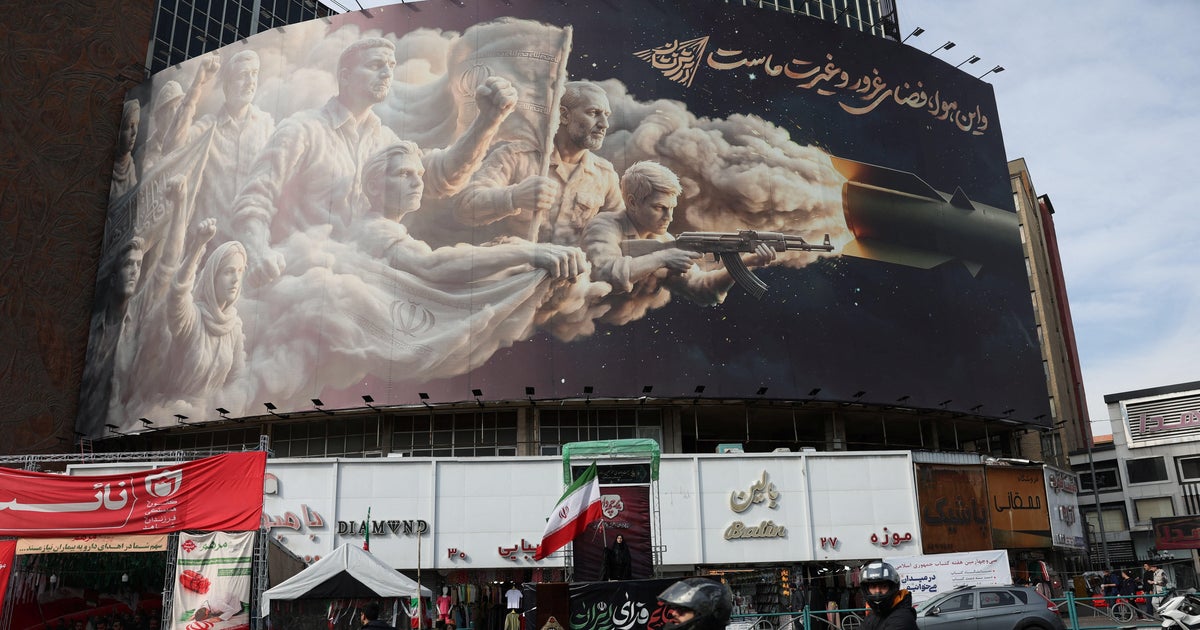
Thursday's strike followed claimed Houthi attacks a day earlier on Ras Tanura, Saudi Arabia's largest refinery and a major crude export hub, alongside Red Sea ports in Jeddah and Jazan. Pro-Saudi Yemeni government forces separately reported carrying out 767 strikes on Houthi positions, claiming 117 fighters neutralized across front lines in Marib, Taiz, and neighboring governorates.
For energy importers such as Indonesia, repeated strikes on Saudi refining hubs deepen supply anxiety at a time when Brent crude has climbed past $94 a barrel and the government's October Indonesian Crude Price (ICP) reached $117.24. Pertamina transformation director Agung Wicaksono warned earlier this week that freezing subsidized fuel and Pertamax prices during the Middle East conflict already carries an estimated Rp14 trillion revenue hit for the state oil firm.

Why do Saudi refinery disruptions matter for Indonesia's fuel budget?
The fighting continues to exact a severe humanitarian toll inside Yemen, where the World Health Organization reported 2,361 deaths and 10,982 injuries since August, while United Nations figures show more than 360,000 displaced civilians. Jakarta's Finance Ministry and Pertamina remain focused on guarding fiscal buffers as actual crude prices outpace Indonesia's revised $83-per-barrel 2026 budget benchmark.